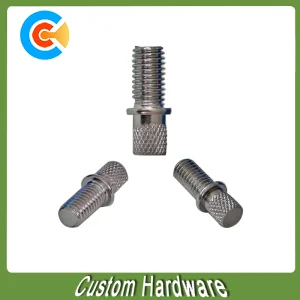
Engineered to exact clinical specifications using medical-grade titanium and high-tech manufacturing processes.
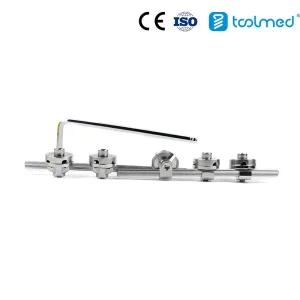

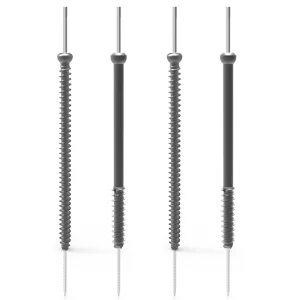
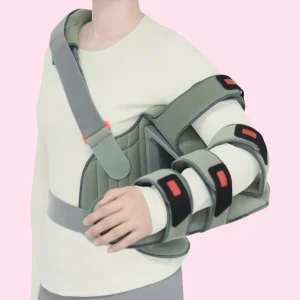
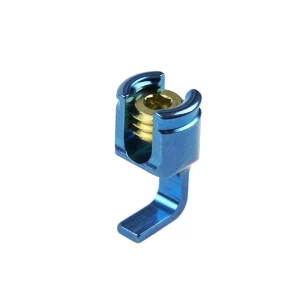
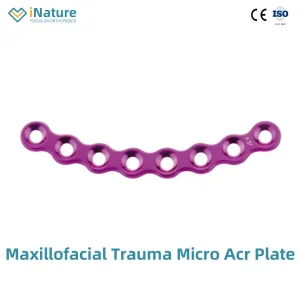
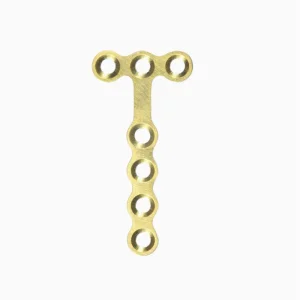
A technical examination of intramedullary osteosynthesis in modern trauma care.
The development of the Interlocking Intramedullary (IM) Nail System represents a pivotal milestone in the history of orthopedic traumatology. Historically, simple intramedullary nails, such as the classical Küntscher nail, relied strictly on friction and interference fit within the diaphyseal canal to achieve stability. While effective for simple transverse midshaft fractures, these early systems offered poor resistance to torsional forces and axial compression, frequently leading to malrotations and limb shortening in complex, comminuted, or unstable metaphyseal fractures.
From a mechanical perspective, the interlocking nail behaves as a neutral axis beam positioned within the center of the load-bearing bone. Unlike bone plates, which are eccentrically mounted and subjected to high bending moments, the IM nail is aligned with the anatomical axis. This alignment reduces the bending arm and minimizes stress shielding.
As a custom OEM manufacturer, our production parameters focus closely on the Radius of Curvature (ROC) of the nail. For instance, in femoral nails, matching the anterior bow of the femur is critical. An incorrect curvature mismatch can lead to cortical perforation of the distal femur or distraction of the fracture during insertion. Our advanced manufacturing lines execute precise mechanical profiling to offer customized curvatures matching variable regional patient demographics.
Locked nails resist torque loads through the polar moment of inertia of the nail cross-section and the shear strength of the interlocking bolts. Our design utilizes optimized wall thickness to yield superior torsional stiffness without increasing overall diameter.
Static locking utilizes round holes to prevent axial translation and rotation. Dynamic locking configuration utilizes oblong slots to allow controlled axial compression (micromotion) while retaining rotational control, promoting physiological fracture healing.
Advanced Finite Element Analysis (FEA) is utilized to ensure that the stress concentration at the interlocking screw holes is minimized, preventing catastrophic nail breakage under high cyclic loading before solid union occurs.
How material selection and surface modifications dictate implant longevity and biocompatibility.
The biological and mechanical success of an interlocking nail is inextricably linked to its metallurgical composition. At Foshan Wigivida Medical Co., Ltd., our orthopedic implant division manufactures systems using only medical-grade alloys that conform to rigid international standards.
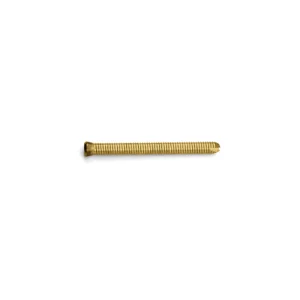
To enhance corrosion resistance and prevent biological tissue adhesion that can complicate implant removal, our titanium implants undergo Type II Anodization (forming a thicker, wear-resistant titanium oxide layer) or Type III Color Anodization. The color-coding serves as an important visual cue for surgical staff, distinguishing between different diameters and locking configurations (e.g., green for distal locking screws, blue for proximal screws, gold for standard nails). This systematic color mapping minimizes intraoperative error and significantly shortens surgical times.
Foshan Wigivida Medical's lean manufacturing framework and quality assurance integration.
As a leading China-based manufacturer of high-quality medical consumables and devices, Foshan Wigivida Medical Co., Ltd. has established a comprehensive product range that includes respiratory products, medical tubes, urology products, hypodermic and surgical consumables, and advanced trauma implants. Our state-of-the-art production ecosystem combines automated mechanical lines with rigid quality inspection loops to ensure global regulatory compliance.
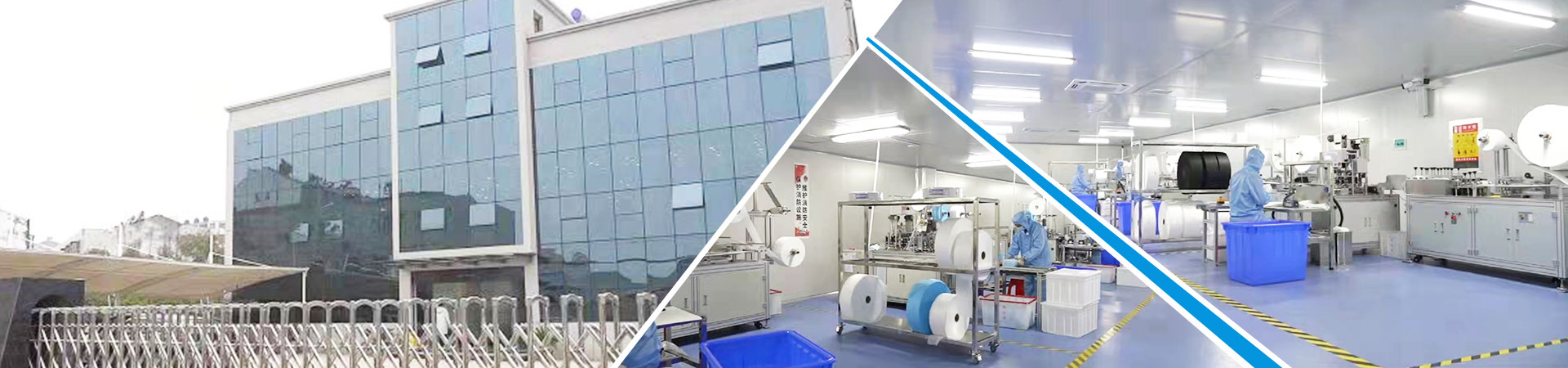

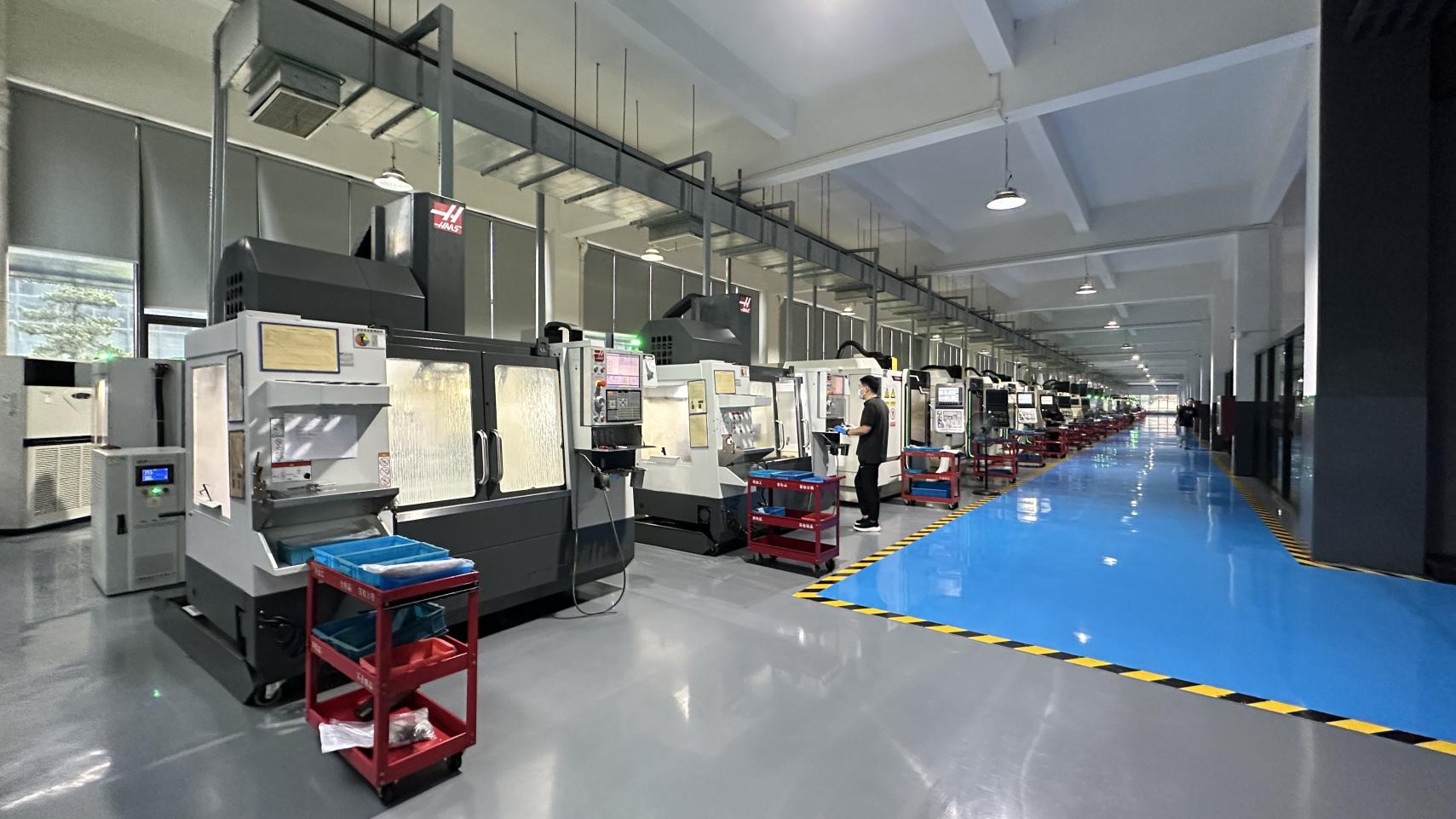
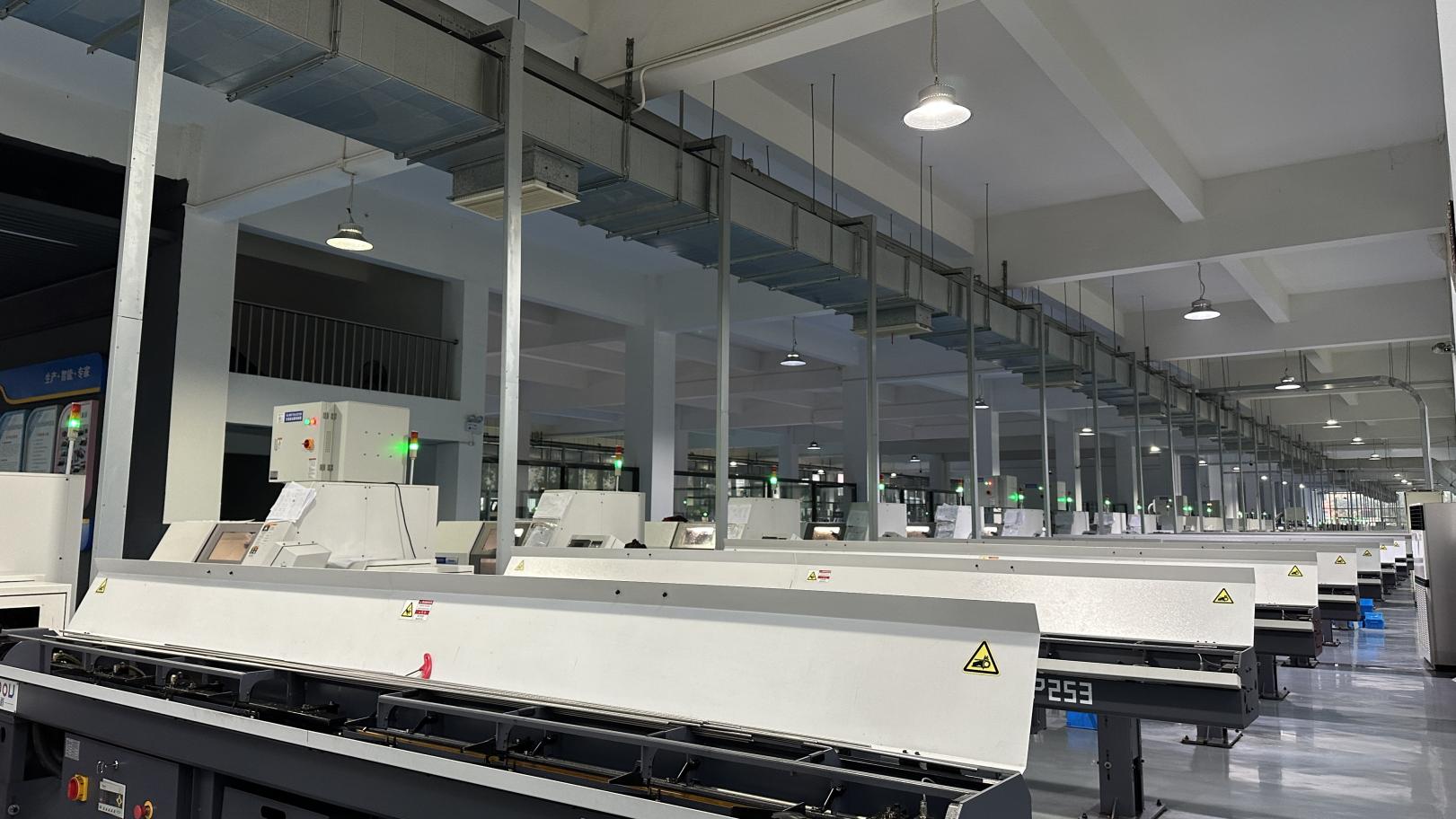
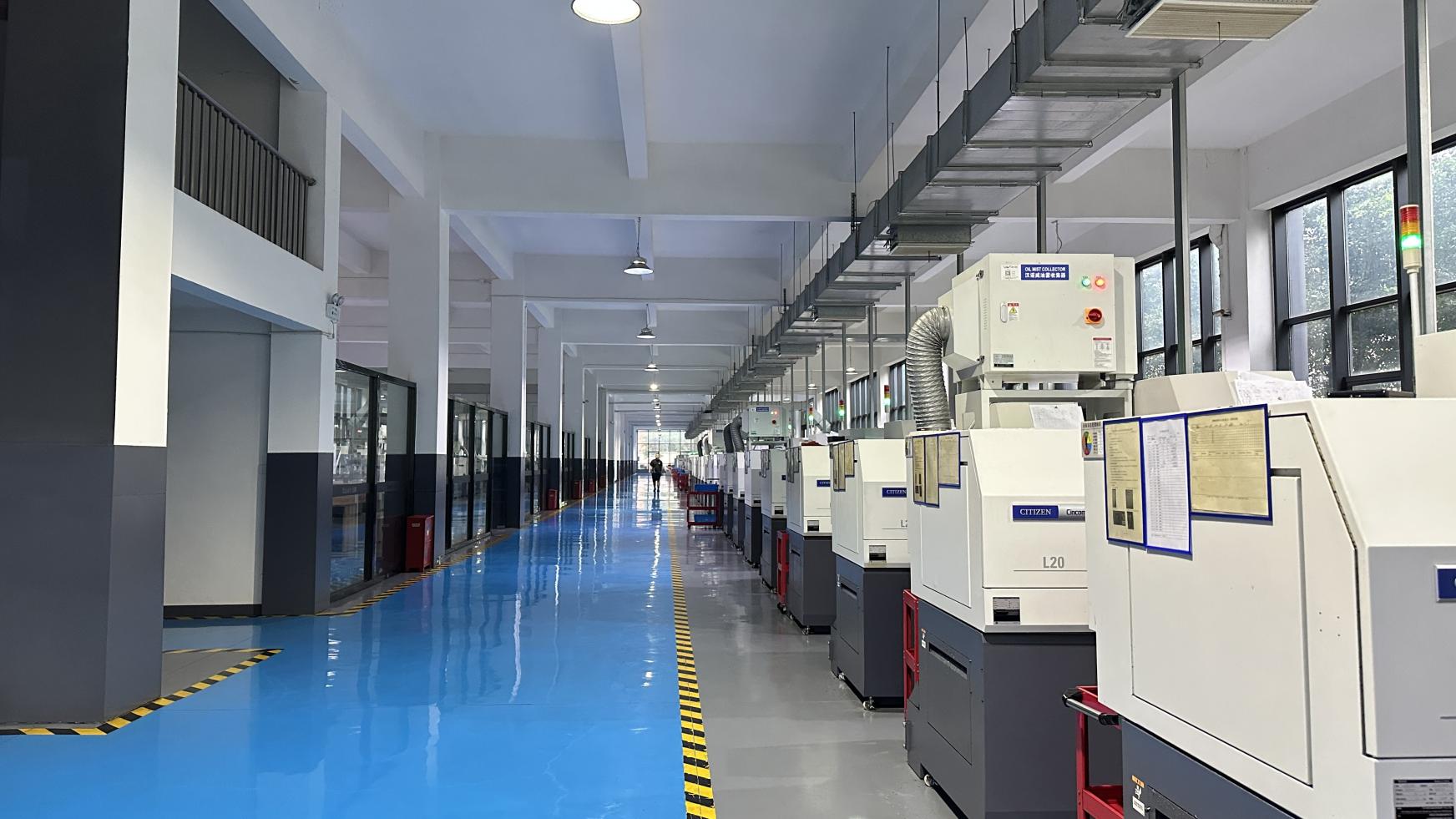
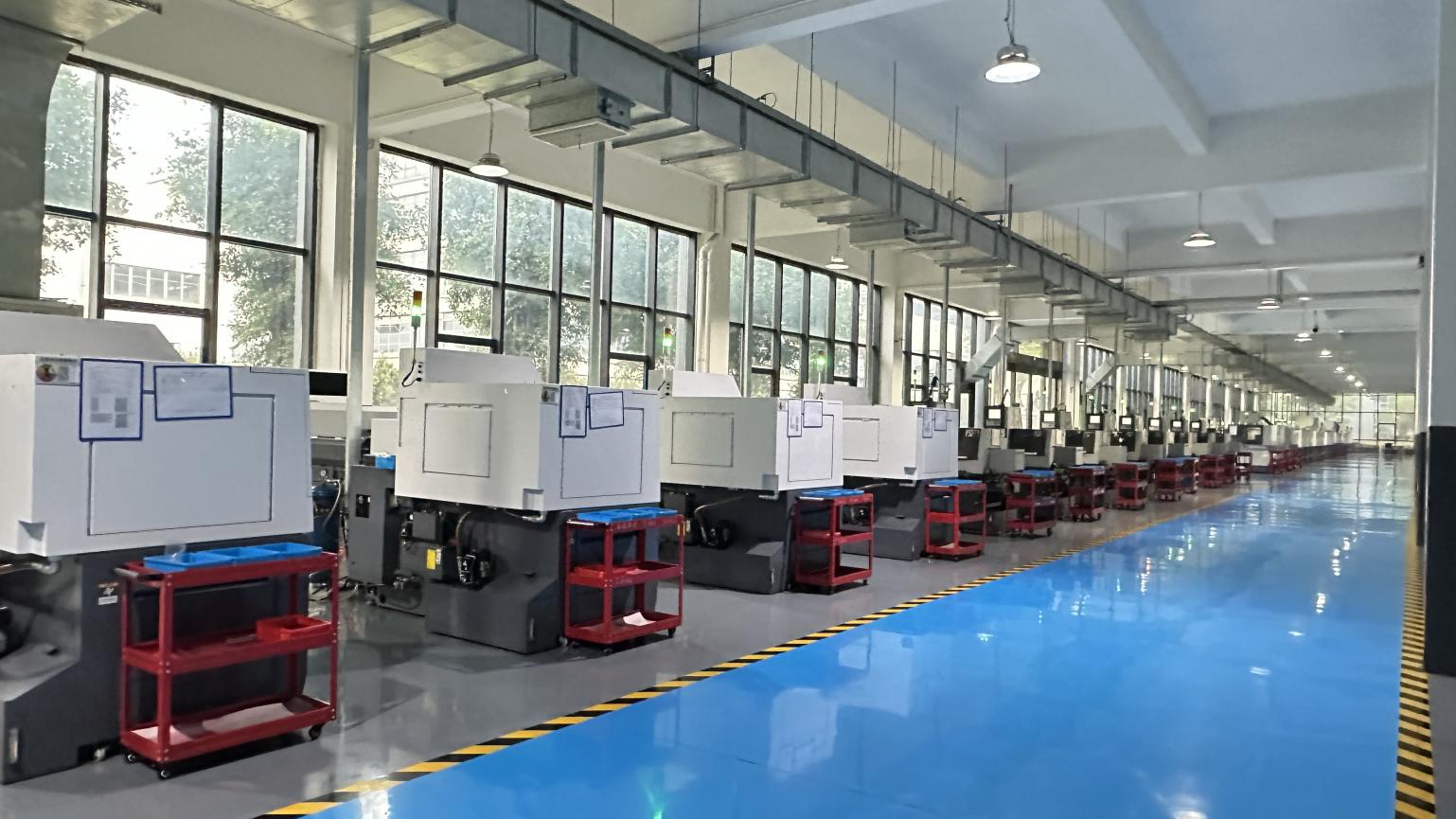
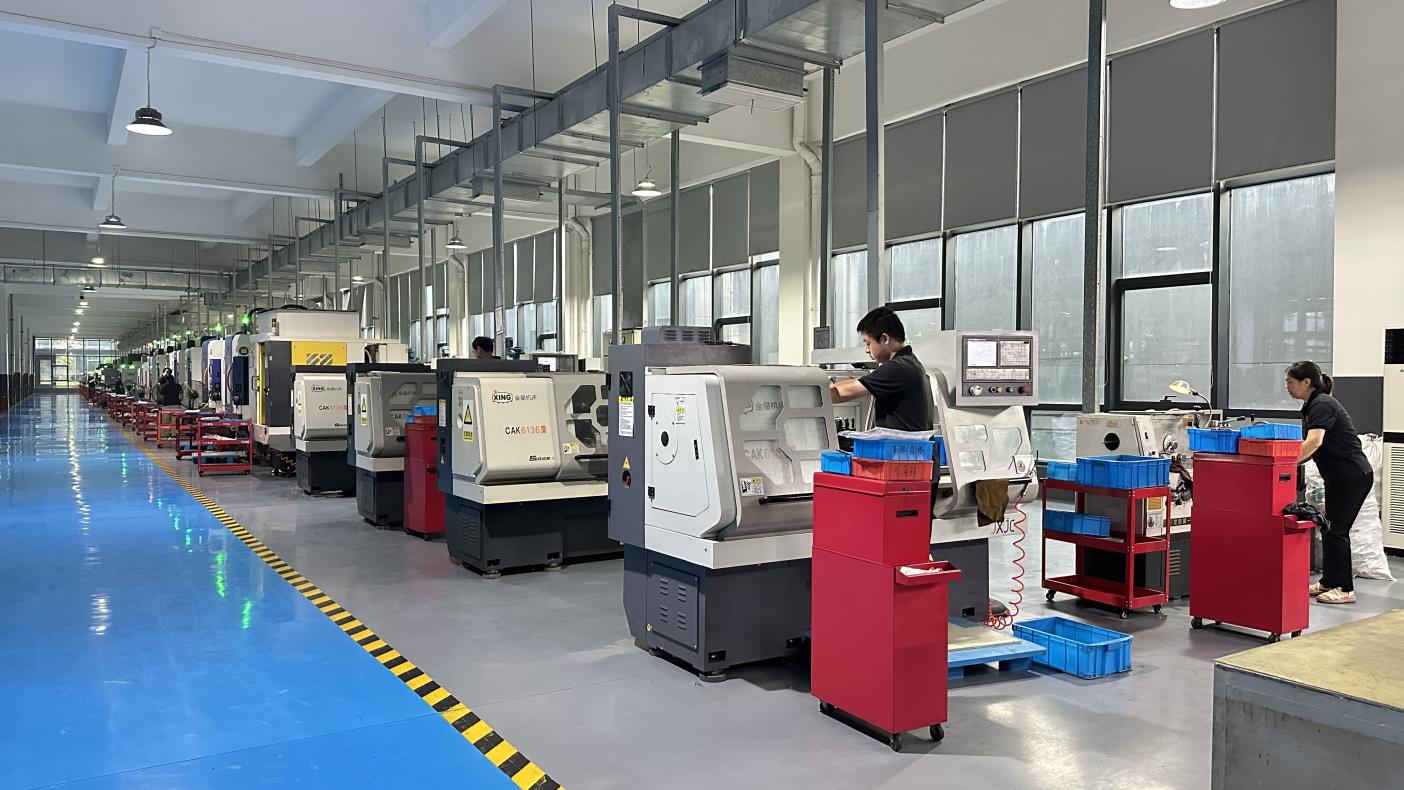
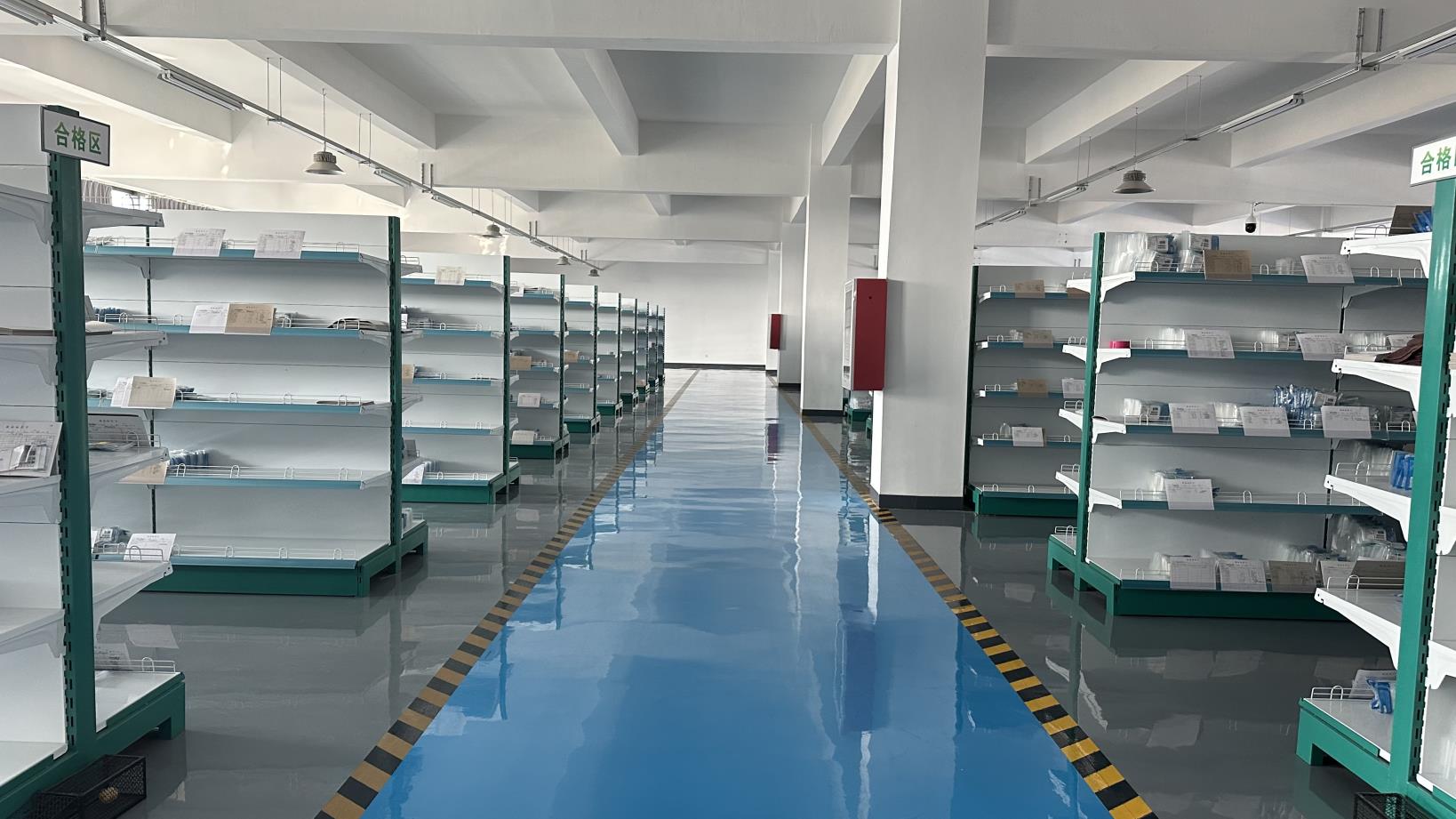
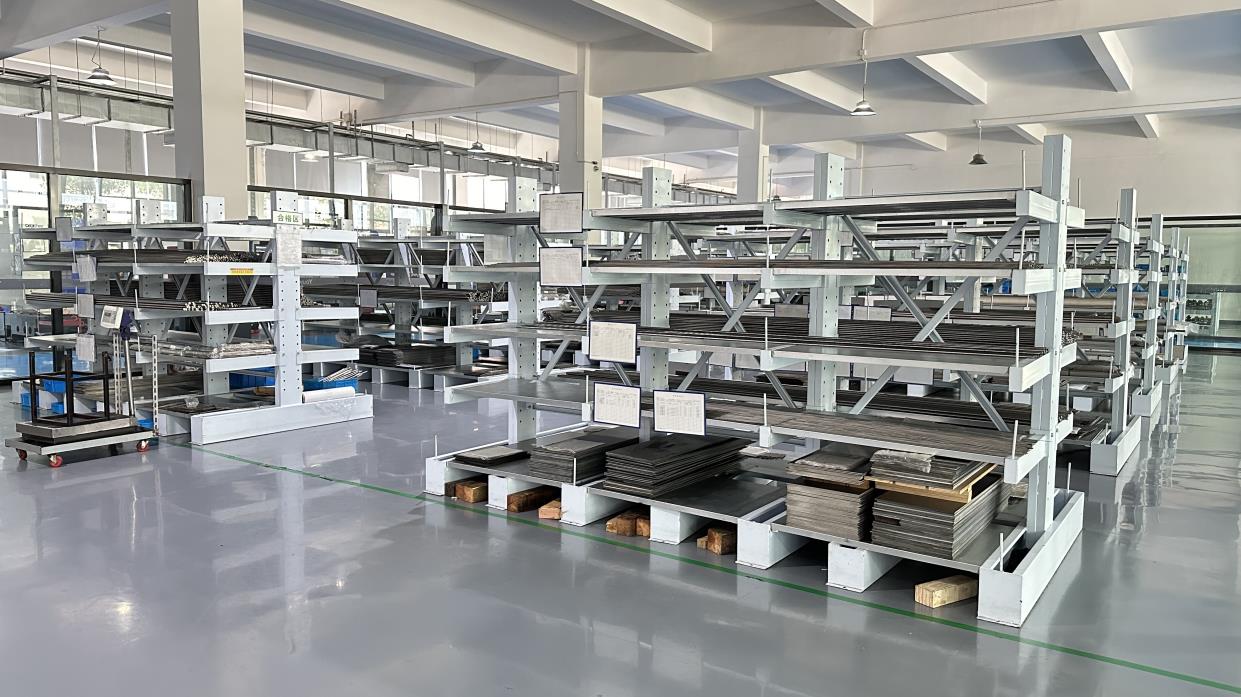
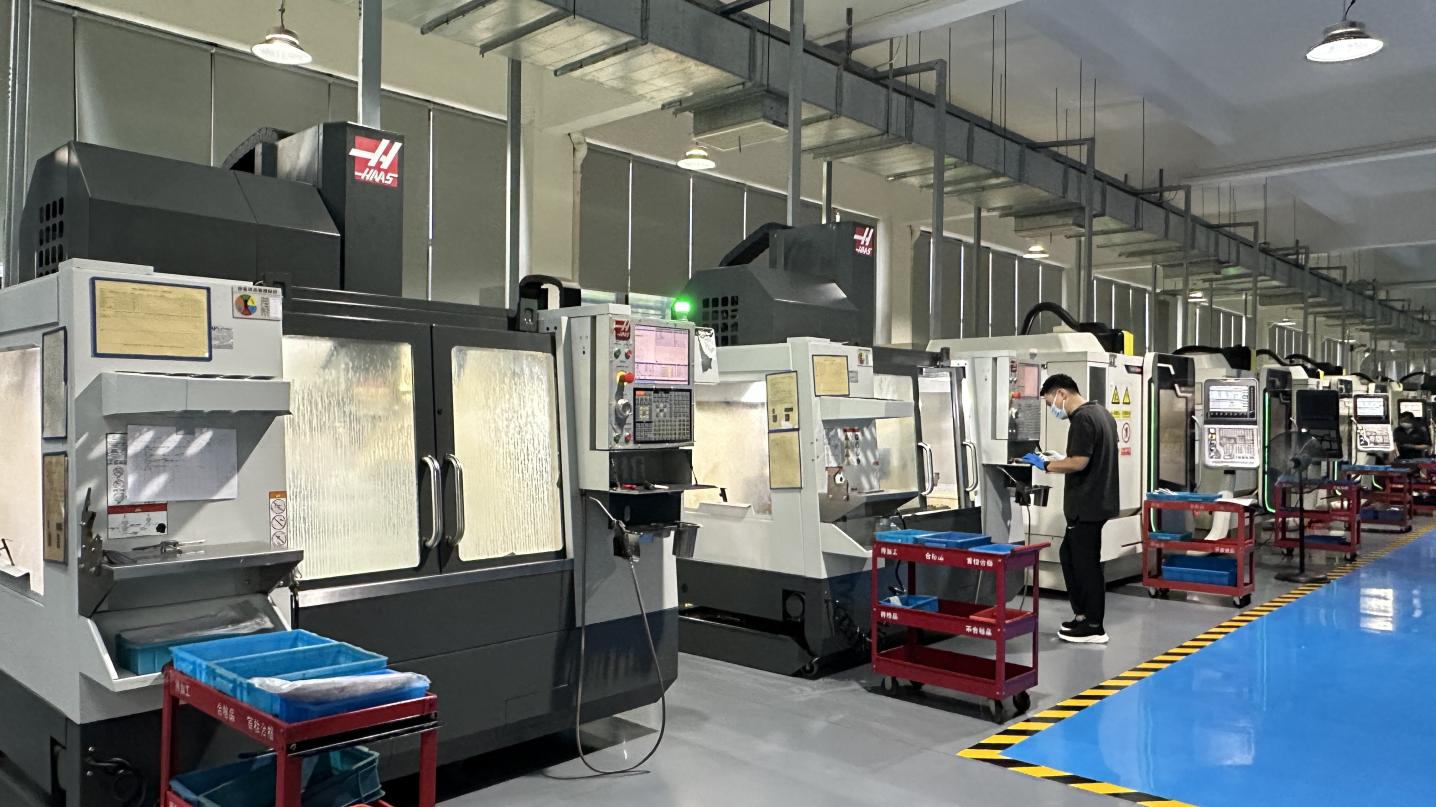
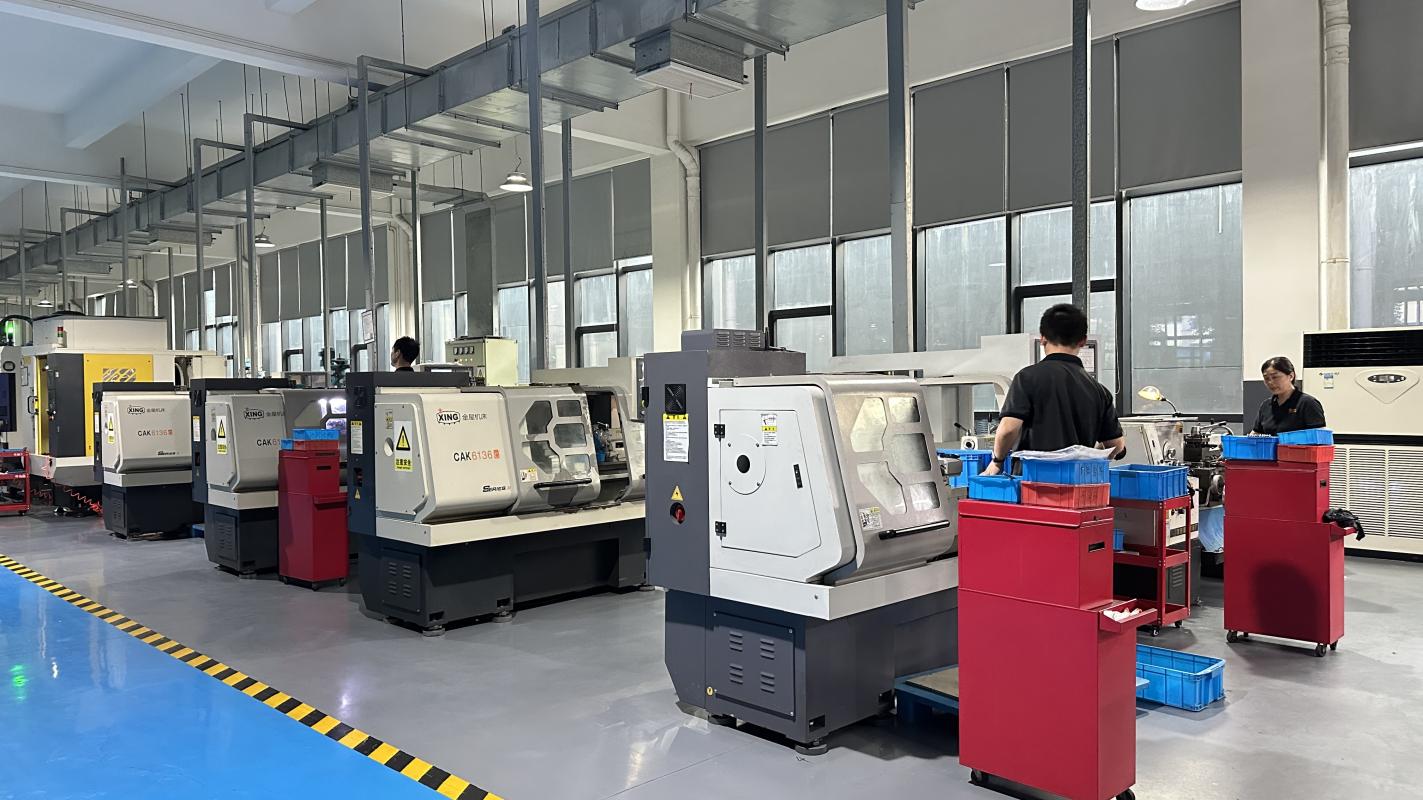
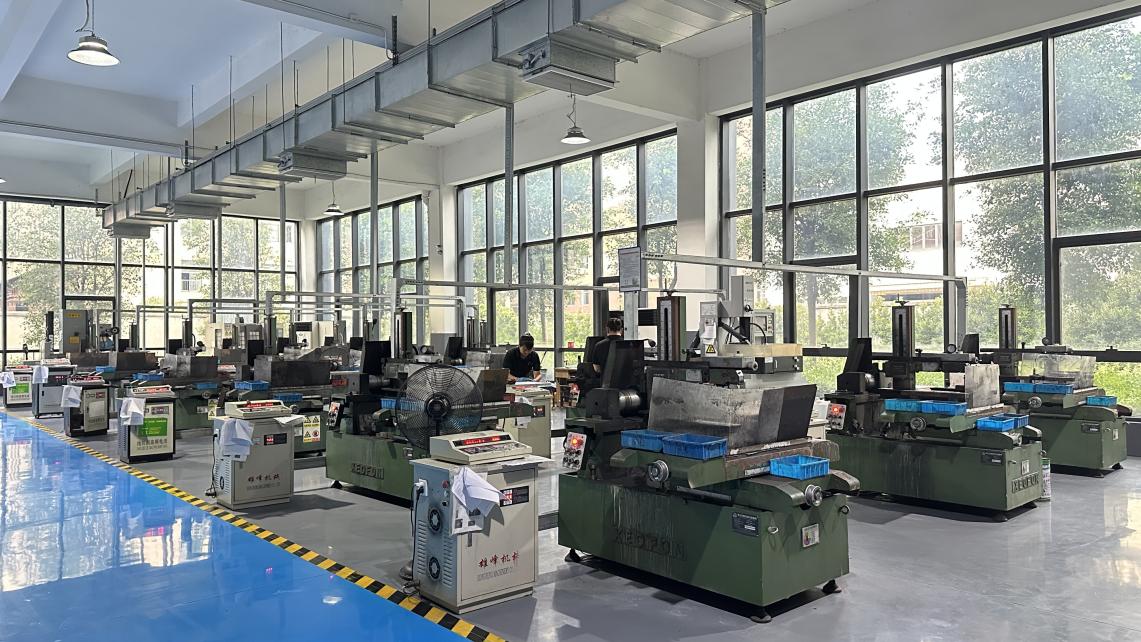
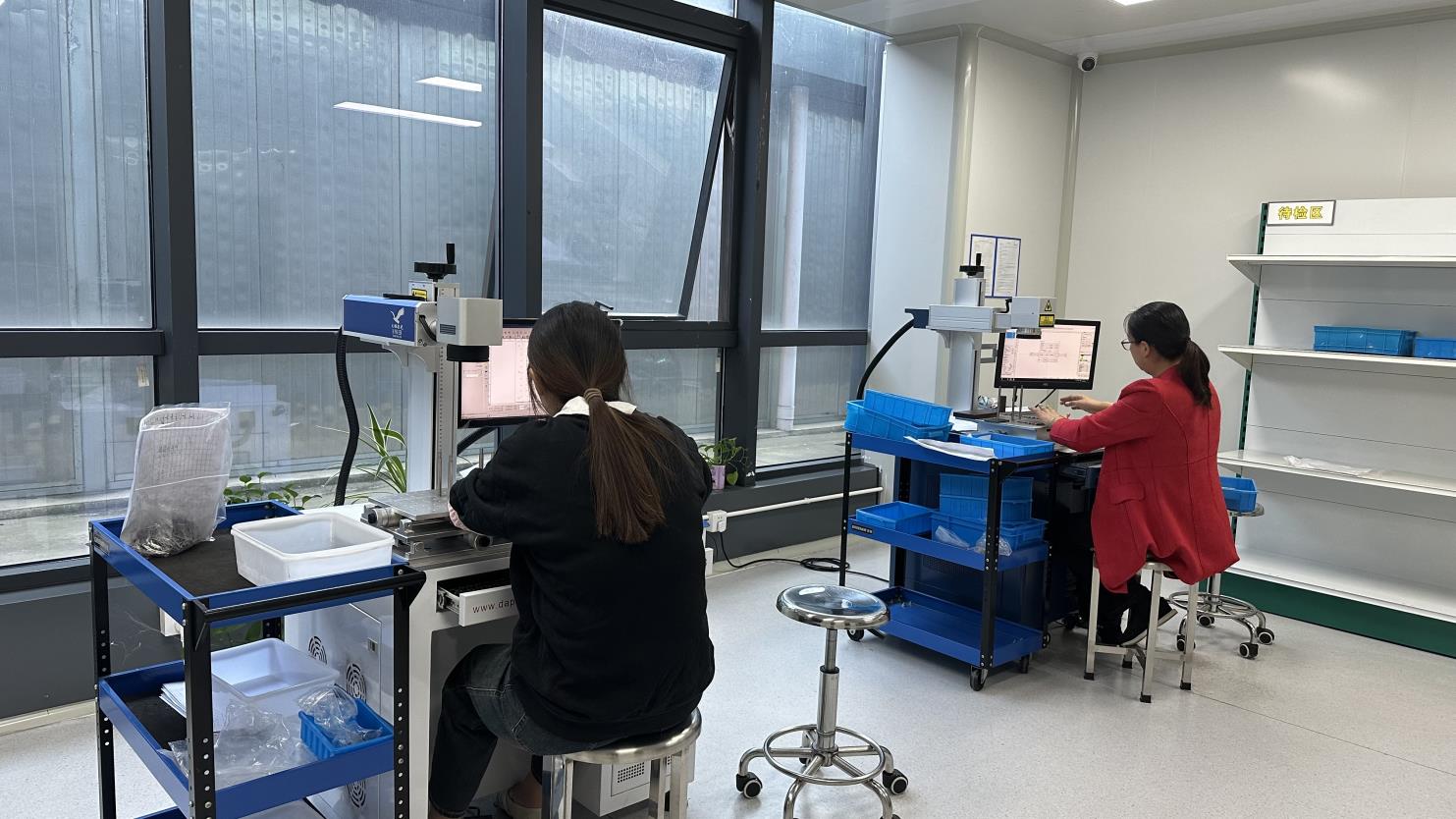
The transformation of raw titanium bar stocks into sterile, surgical-grade interlocking nail systems demands rigorous stage-gate control. Below is our optimized processing workflow, visualised through our in-house production modules:
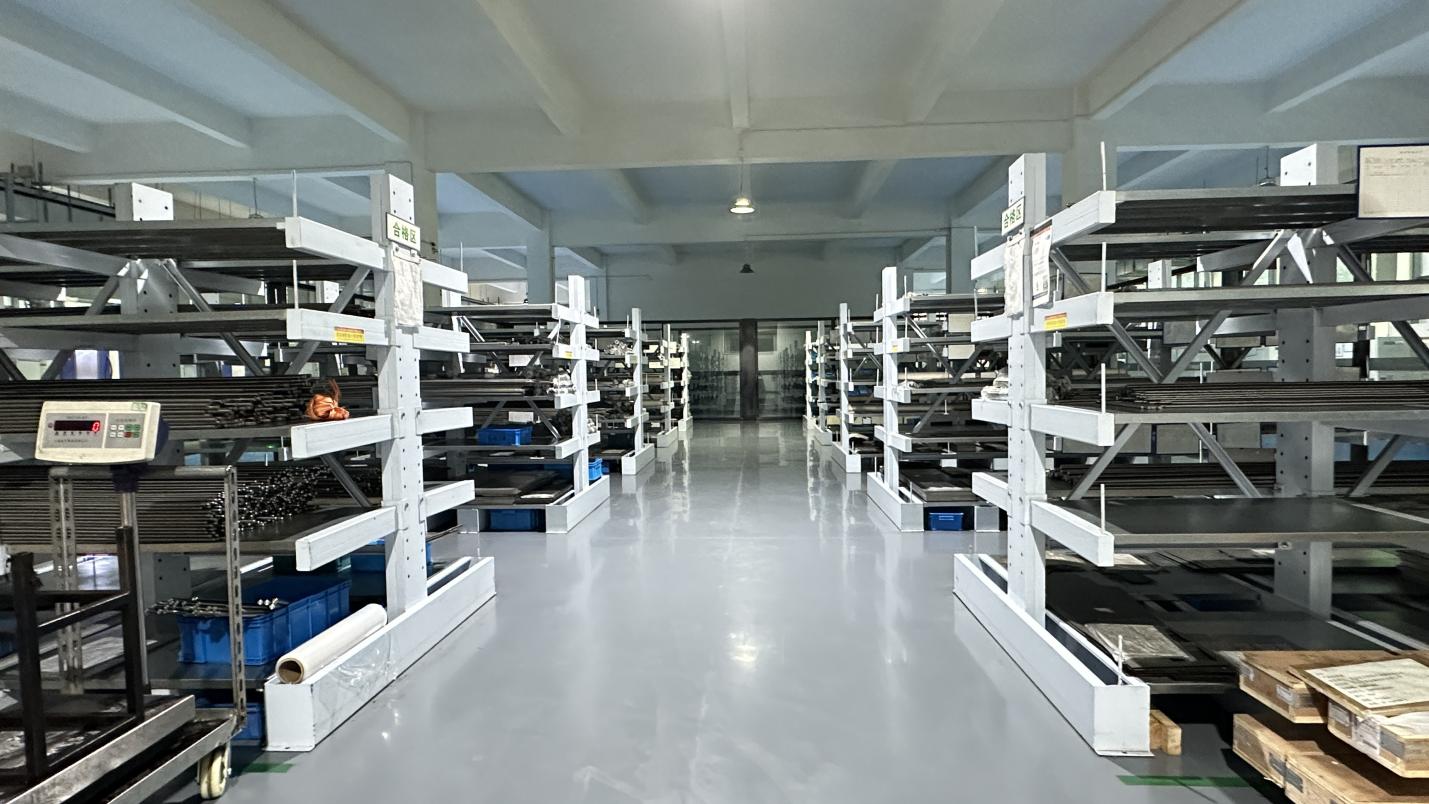
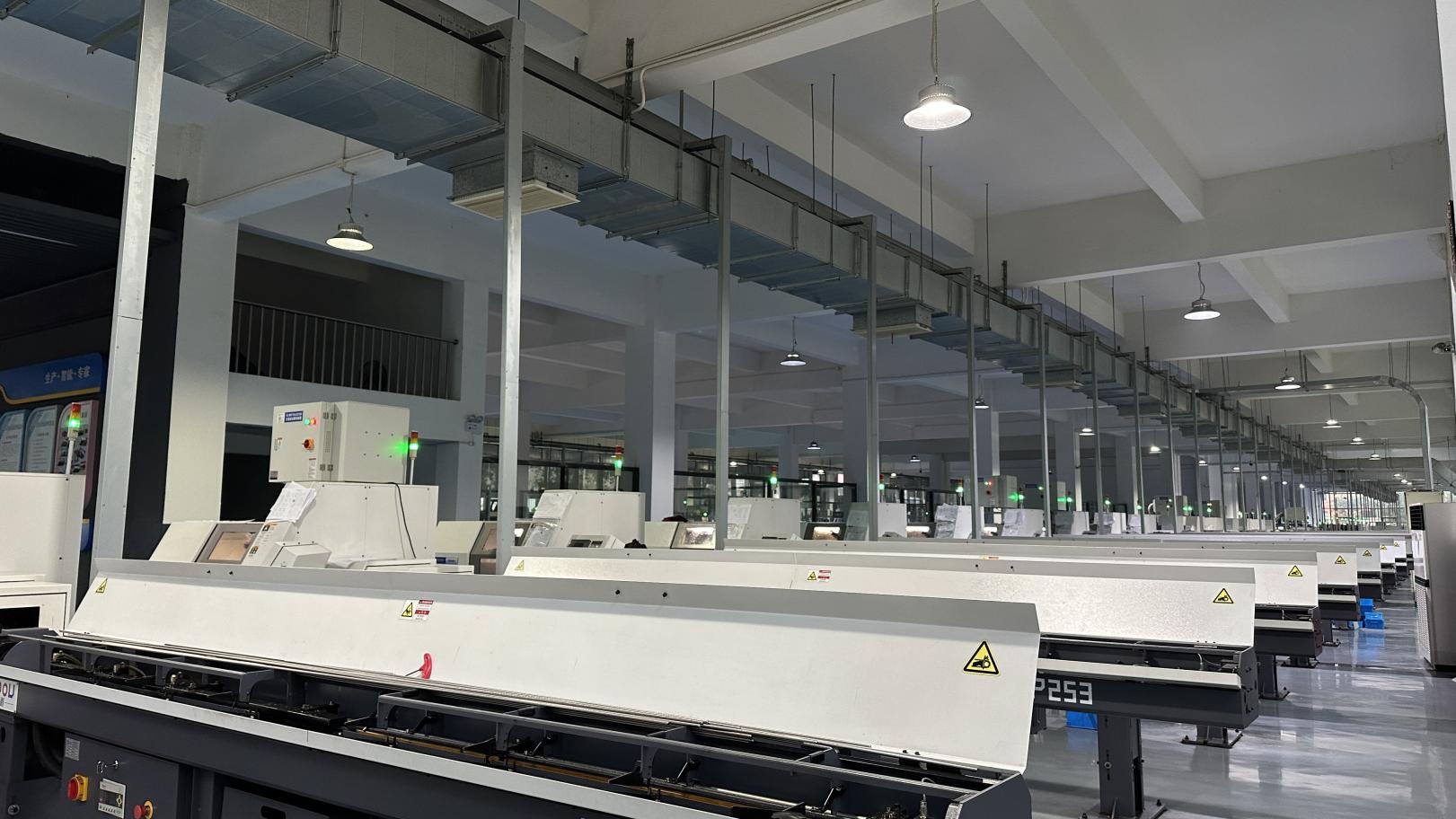
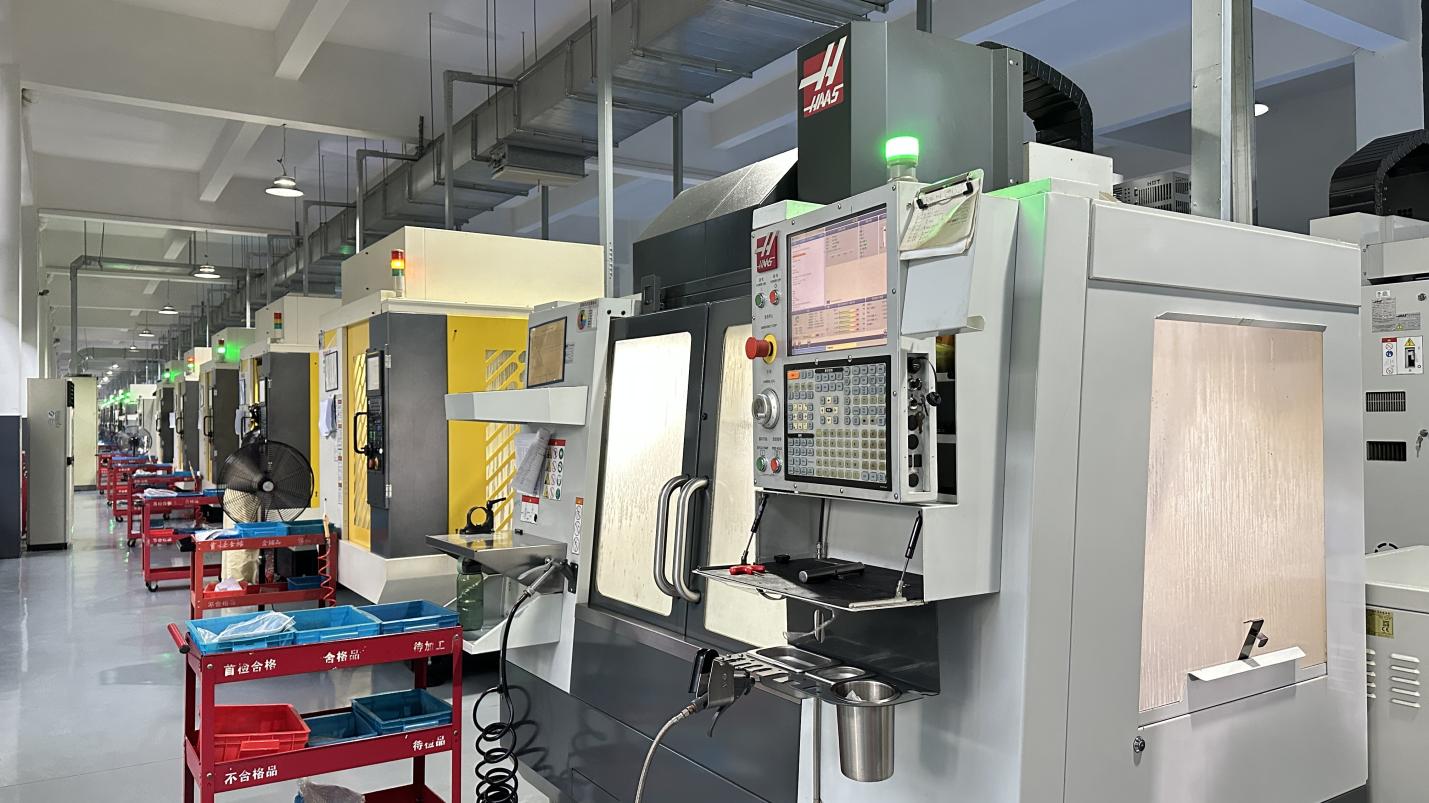
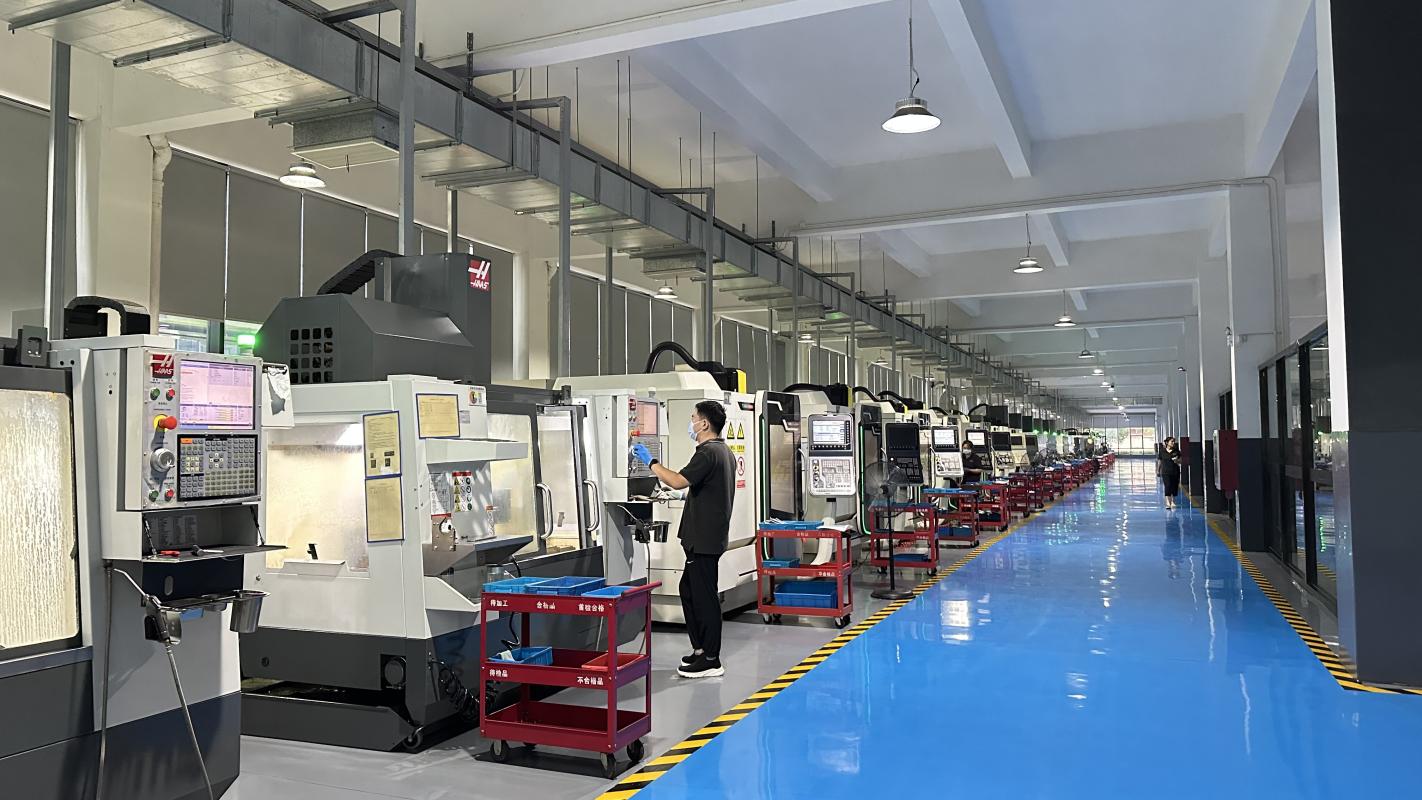
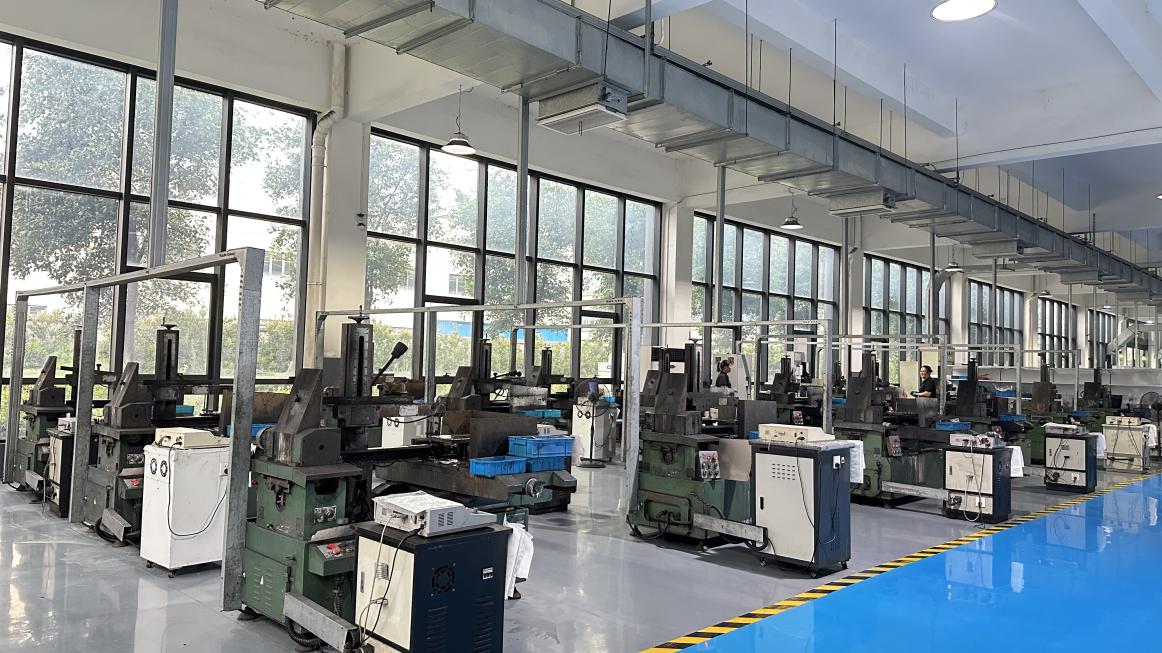
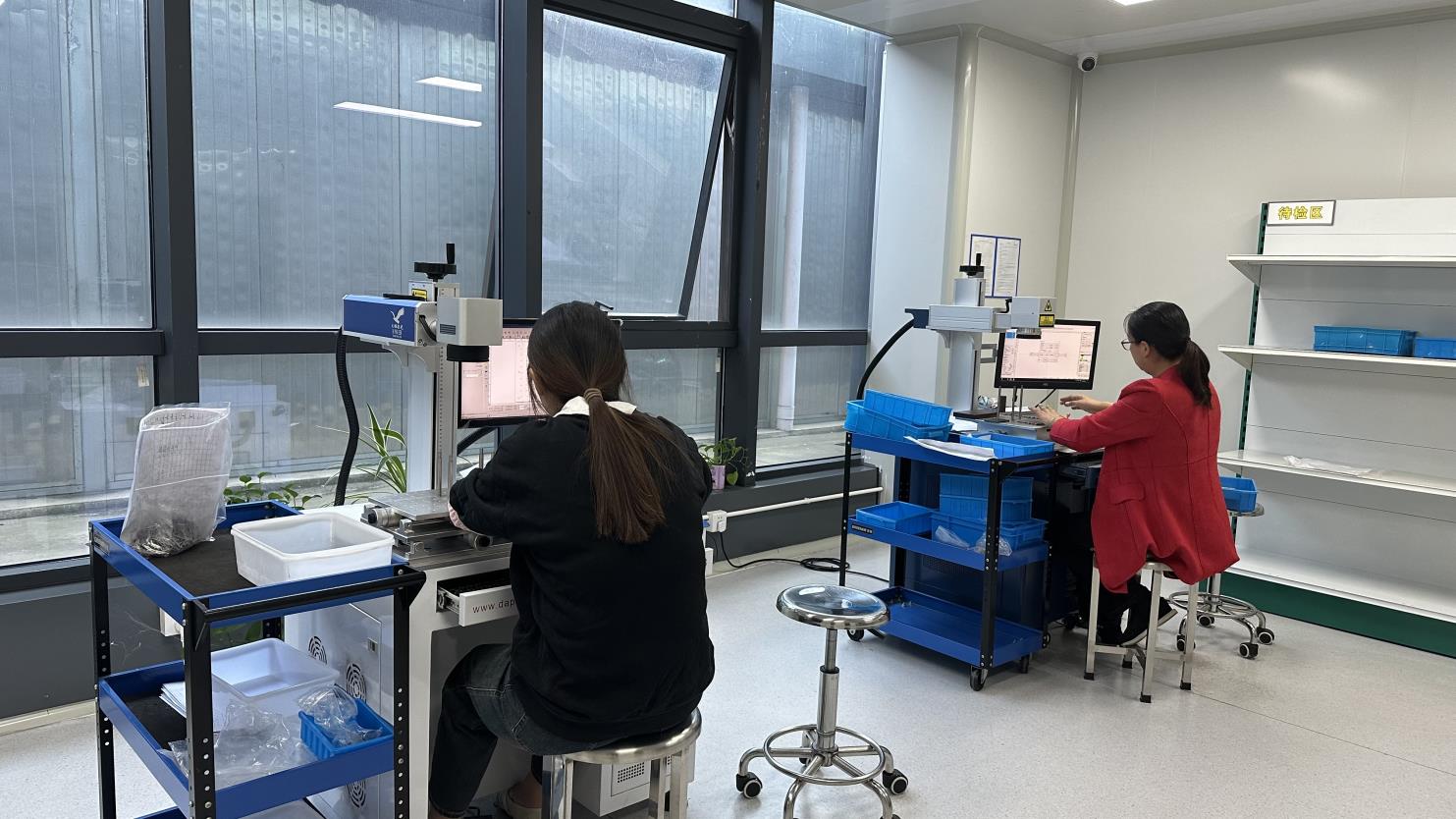
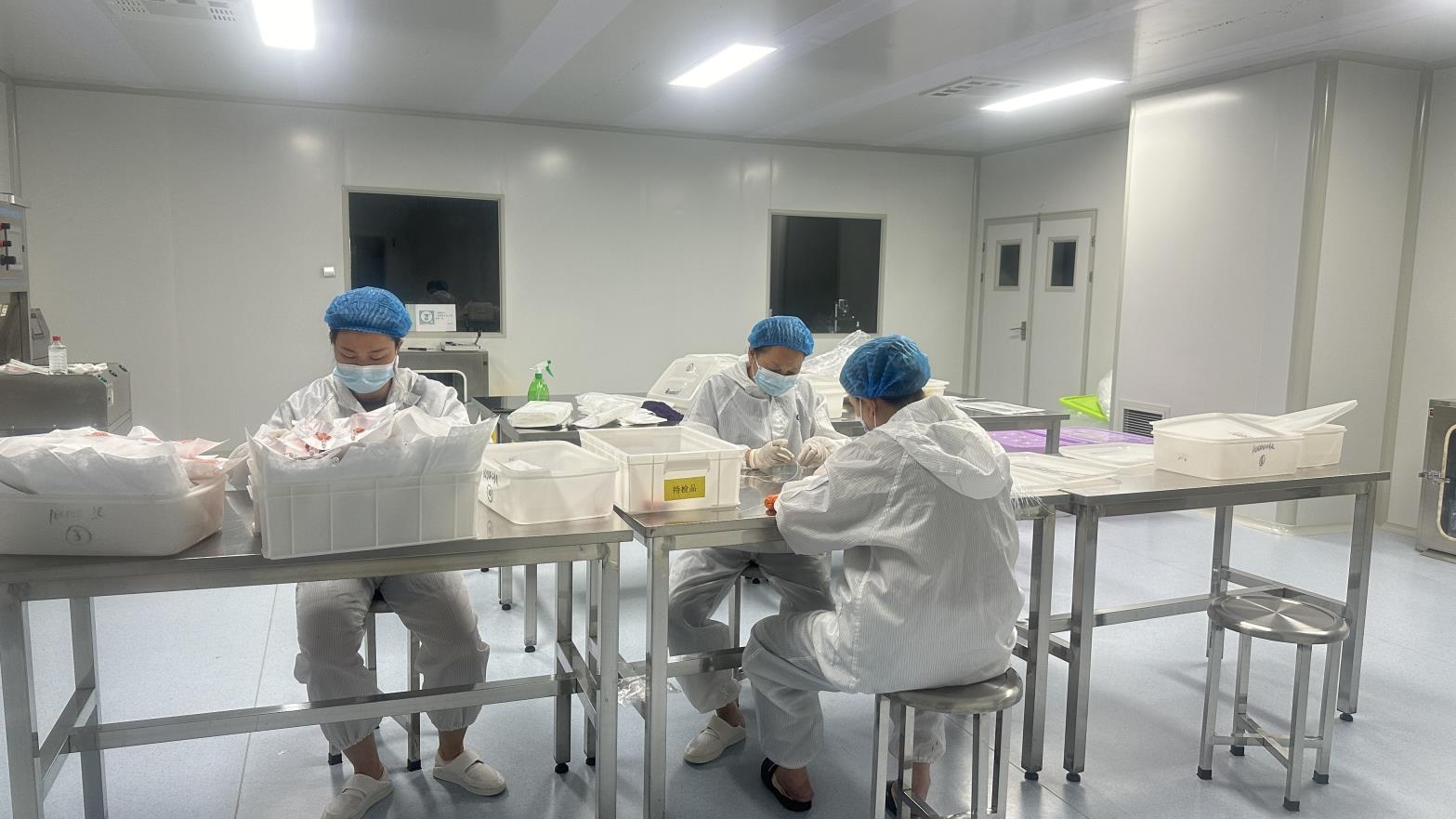
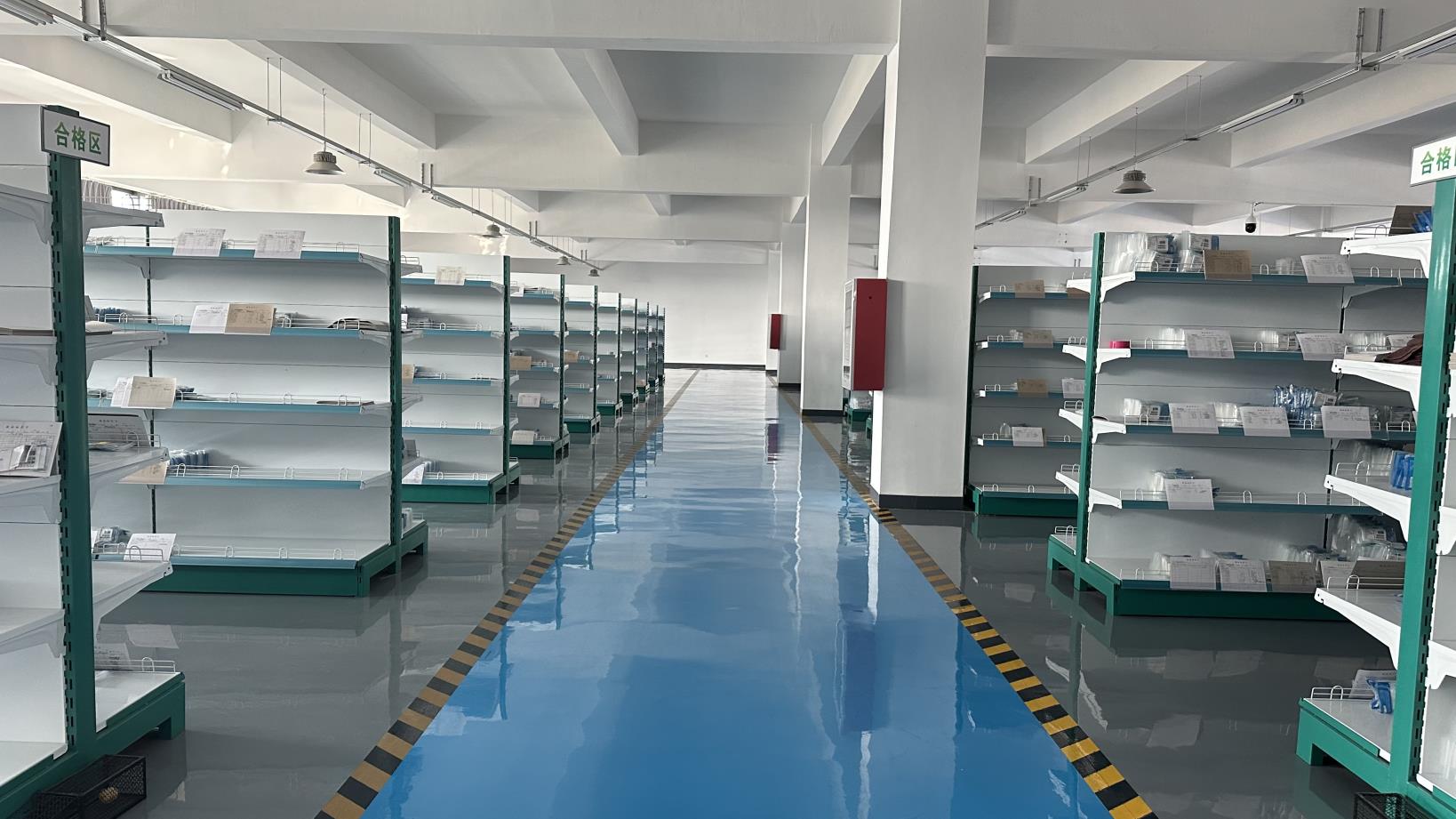
Achieving sub-micron consistency across large batch orders requires a massive investment in capital machinery. Our machining floors are equipped with high-performance tooling systems designed specifically for handling tough biomedical alloys:
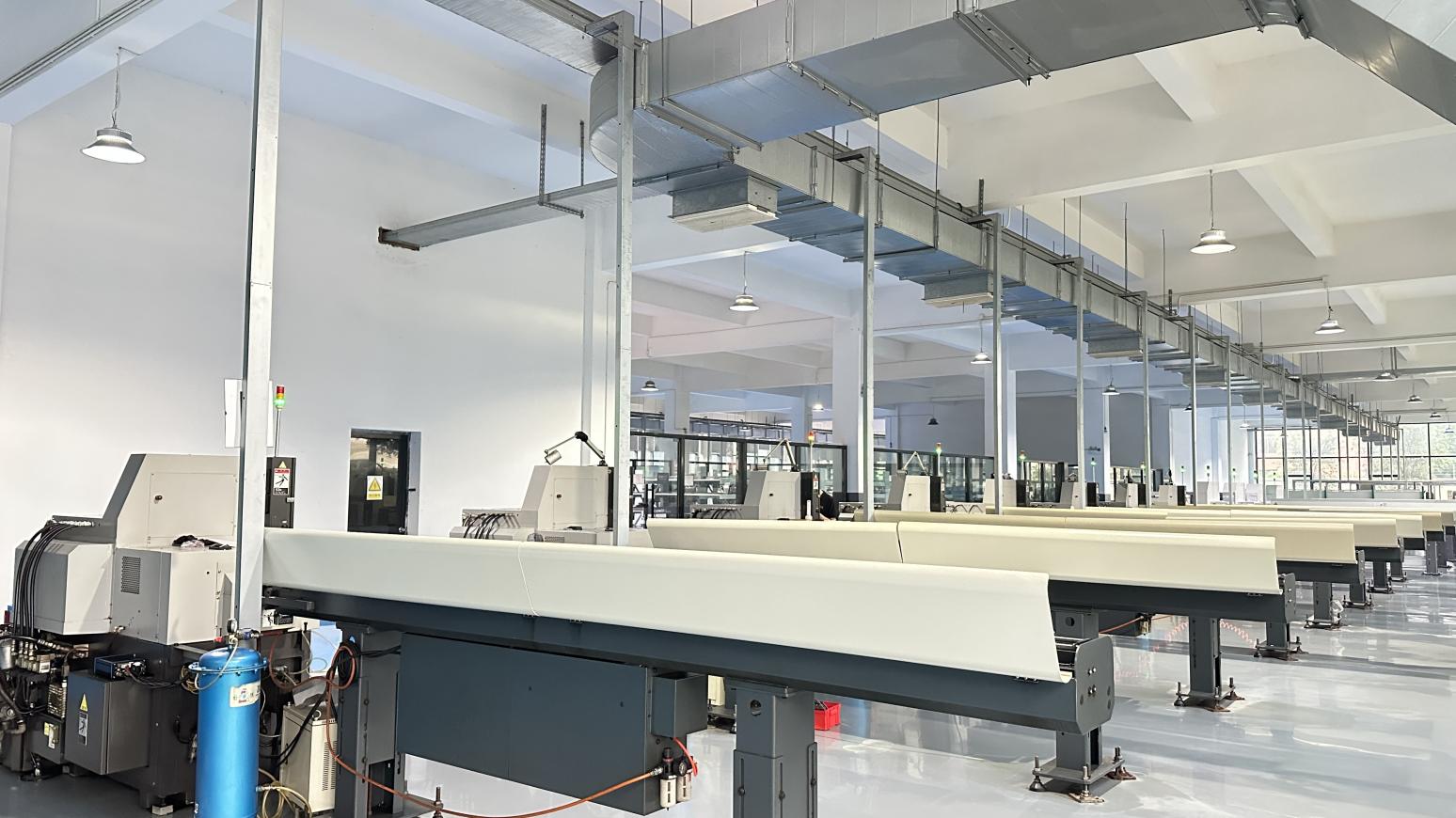
Navigating compliance, supply chain auditing, and localized support matrices.
For multinational medical distributors, hospital purchasing organizations, and OEM brand owners, procuring orthopedic implants from overseas is not merely a matter of unit cost. It involves complex supply risk mitigation, adherence to international quality management systems, and ensuring post-market surveillance integration.
Our facilities are audited strictly under ISO 13485:2016 quality management protocols. Our implant lines are developed to comply with EU CE MDR 2017/745 and US FDA 510(k) pathway parameters, guaranteeing seamless import clearance.
Every interlocking nail and locking screw is laser-etched with a unique Device Identifier (UDI) compliant with GS1 standards. This guarantees complete biological and material traceability from the raw titanium ingot to the operating theatre.
Our dedicated engineering department partners with global clients, executing Design for Manufacturing (DFM) analysis to turn CAD designs into highly manufacturable, stable, and cost-effective commercial surgical solutions.
Global supply chain volatility highlights the necessity of working with financially stable manufacturing partners. By leveraging the large-scale industrial capability of Foshan Wigivida Medical Co., Ltd., our raw material supply contracts with Tier-1 aerospace-grade titanium suppliers are secured 12 months in advance. This prevents supply chain disruptions due to geopolitical trade disputes or material scarcity, ensuring stable pricing and predictable delivery timelines for all of our international partners.
Next-generation R&D pathways defining the future of trauma surgery.
The field of intramedullary fixation is constantly evolving. In order to maintain a strong competitive edge, our R&D roadmap focuses on three main innovative areas:
1. Additively Manufactured Trabecular Surfaces: By utilizing selective laser melting (SLM) 3D printing technologies, we are researching the integration of porous titanium structures onto targeted regions of interlocking nails. These trabecular patterns mimic the modulus of cancellous bone, encouraging direct osseointegration and securing the implant to the endosteum, which is particularly beneficial in osteoporotic bone.
2. Telemetric Dynamic Monitoring: Future clinical trials are studying the inclusion of micro-strain sensors within the cannulated core of the nail. These passive sensors transmit real-time biomechanical data to external readers, monitoring bone healing and micro-motion without needing frequent radiographic evaluation.
3. Antimicrobial Nano-Coating Matrix: To combat implant-associated osteomyelitis, our research team is evaluating silver-nanoparticle and iodine-doped titanium anodization coatings. These surfaces release controlled bactericidal ions to destroy bacterial biofilm formation on contact without compromising normal osteoblast proliferation.
Direct technical responses to common engineering, regulatory, and purchasing questions.
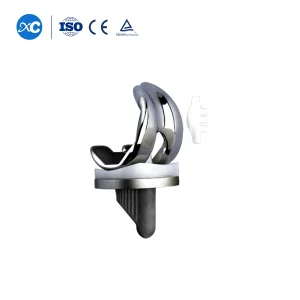
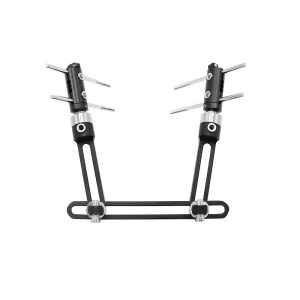
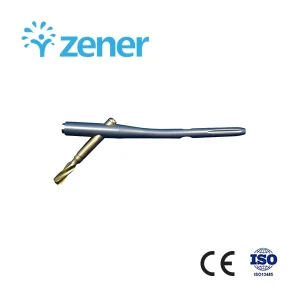
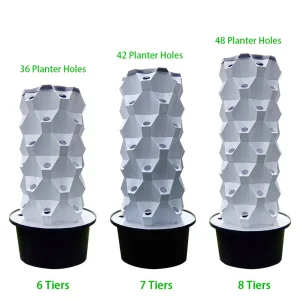
From orthopedic joint prostheses to specialty clinical consumables, explore our full manufacturing range.
 Wigivida Medical