Explore our state-of-the-art orthopedic implants, precision engineered for rigid internal fixation, trauma reconstruction, and soft tissue anchor management.
A comprehensive analysis of design methodologies, biomechanical requirements, and metallurgy shifts shaping orthopedic internal fixation.
The global orthopedics market has underwent a major shift towards minimally invasive surgery (MIS), driving intense clinical focus onto the design parameters of cannulated compression screws. These screws, widely characterized by a hollow central shaft (cannulation), allow orthopedic surgeons to place a guide wire precisely across the target fracture zone before inserting the final metallic or bioabsorbable screw. This clinical methodology dramatically reduces tissue trauma, increases alignment accuracy, and shortens patient recovery times.
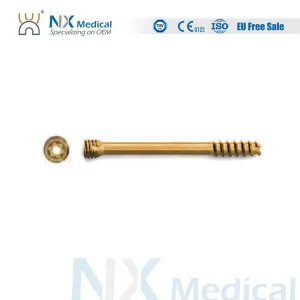
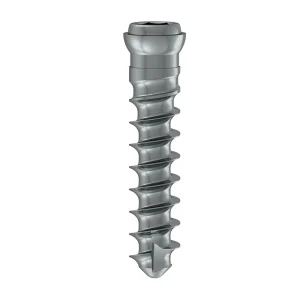
Recent technological advancements highlight a transition from conventional implants to variable pitch, headless compression configurations. By altering the pitch angle from the distal tip to the proximal end, these implants supply dynamic interfragmentary compression as they are driven into the bone. The elimination of the traditional screw head prevents soft tissue irritation and reduces impingement in intra-articular zones, such as the scaphoid bone, distal radius, and calcaneus.
Shift from permanent metal hardware to bio-absorbable polymers like PLLA and PLDLA. These materials degrade safely inside the body, eliminating secondary removal operations.
Using Ti-6Al-4V ELI (Grade 23 Titanium) provides superior fatigue strength, higher corrosion resistance, and optimized modulus of elasticity closer to cortical bone.
Anodization Type II treatments combined with acid-etched surfaces promote osseointegration, prevent bacterial adhesion, and optimize implant-to-bone integration.
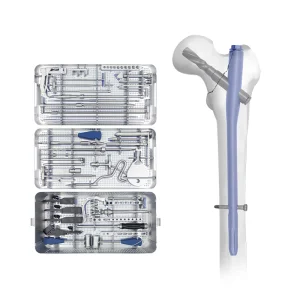
Furthermore, customized orthopedic procedures require high-precision instrumentation kits. Standard surgical procedures use disposable, single-use surgical drill guides and specialized drivers to guarantee proper thread engagement without compromising torque limit tolerances, ensuring stable reconstruction outcomes across all bone types.
Deciphering the regulatory compliance, delivery timelines, and risk mitigation structures required by global implant buyers.
For medical device distributors, group purchasing organizations (GPOs), and orthopedic OEMs, importing cannulated compression screws involves a complex evaluation of structural risks, quality controls, and supply chain variables. The primary concern is strict regulatory alignment. In highly regulated regions like the United States and the European Union, screws must carry FDA 510(k) clearances or CE mark certifications under the Medical Device Regulation (MDR 2017/745).
| Material Category | Common Standard | Biocompatibility | Tensile Strength (MPa) | Clinical Intent / Best Application |
|---|---|---|---|---|
| Titanium Grade 5 (Ti-6Al-4V ELI) | ASTM F136 / ISO 5832-3 | Outstanding (Osseointegrative) | ≥ 860 | High-load load-bearing bone fixations (Femur, Tibia, Talus) |
| Poly-L-Lactic Acid (PLLA) | ASTM F2502 | Excellent (Bioresorbable) | ≥ 60 | Low-load ligament anchor & pediatric fragment fixation |
| Polyether Ether Ketone (PEEK) | ASTM F2026 | Excellent (Inert) | ≥ 95 | Soft tissue interference screws & radiolucent spinal spacers |
| 316LVM Stainless Steel | ASTM F138 / ISO 5832-1 | Good (High Corrosion Resistance) | ≥ 490 | Trauma reconstruction, temporary plates & external fixators |
To balance rising clinical material costs against tightening insurance reimbursement limits, procurement agents must build strong partnerships with manufacturers who provide customized packaging options, consistent logistics channels, and rapid custom design development.
How modernized factories merge automated Swiss tooling, cleanroom packaging, and rigorous testing setups to deliver cost-effective medical devices.
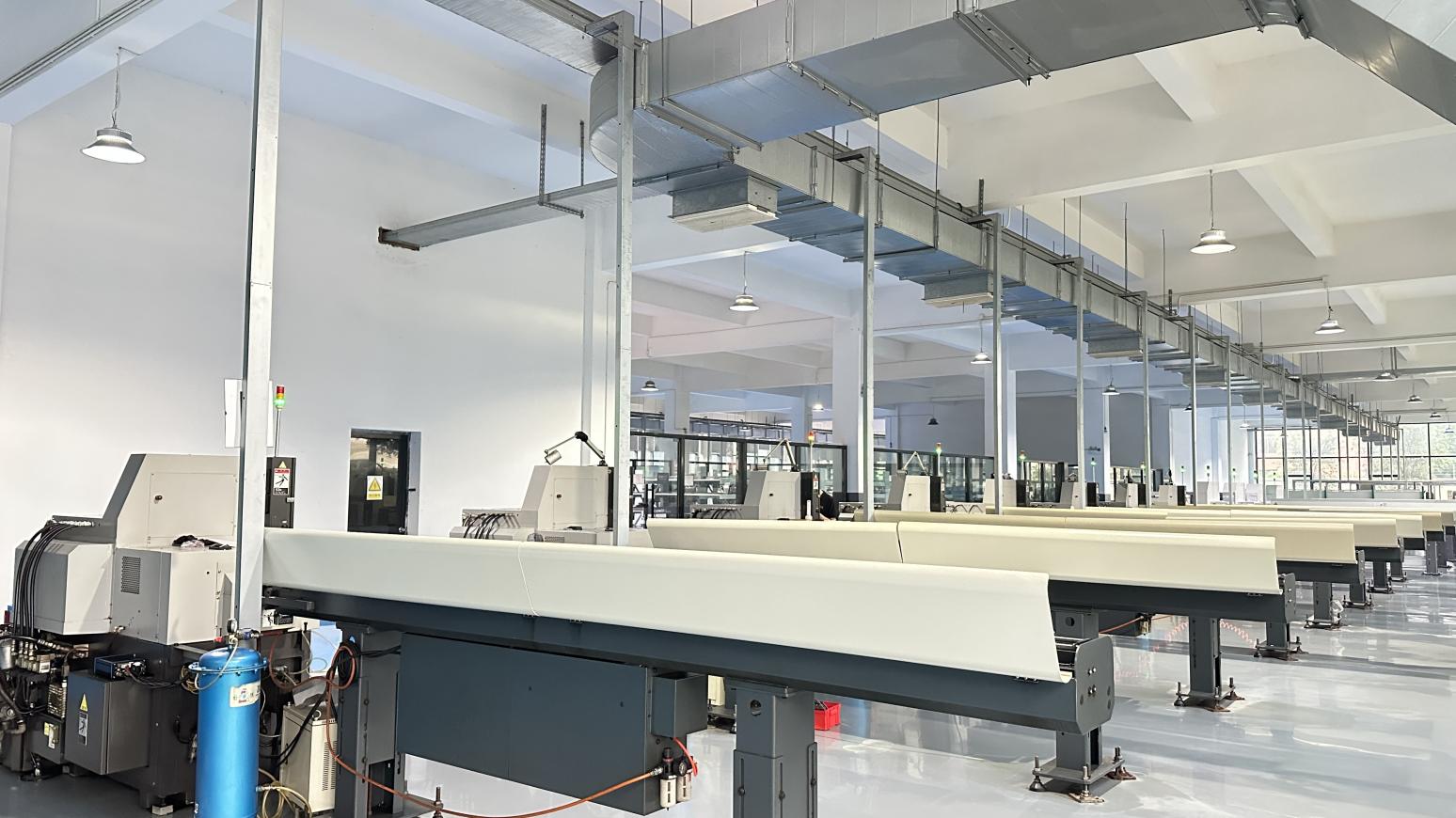
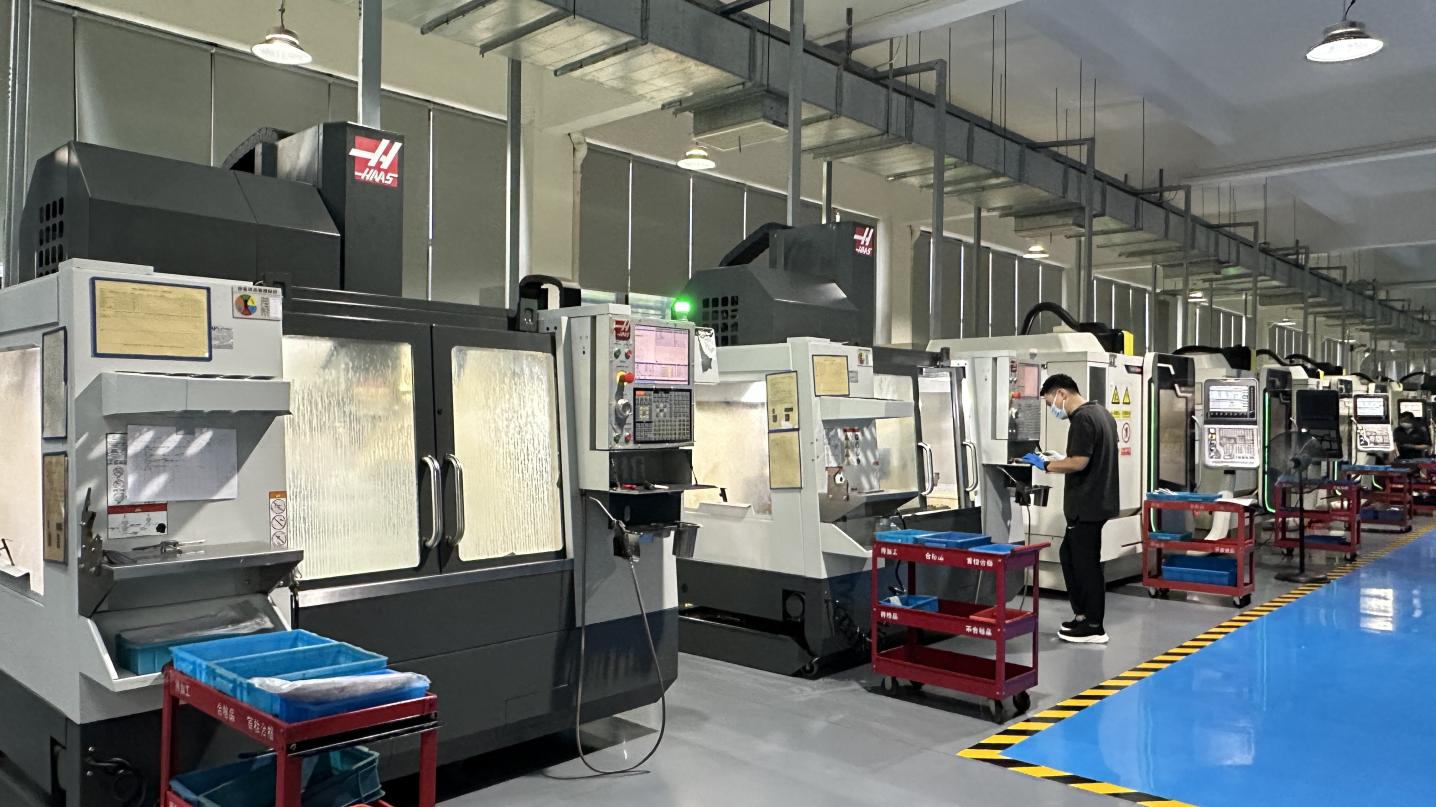
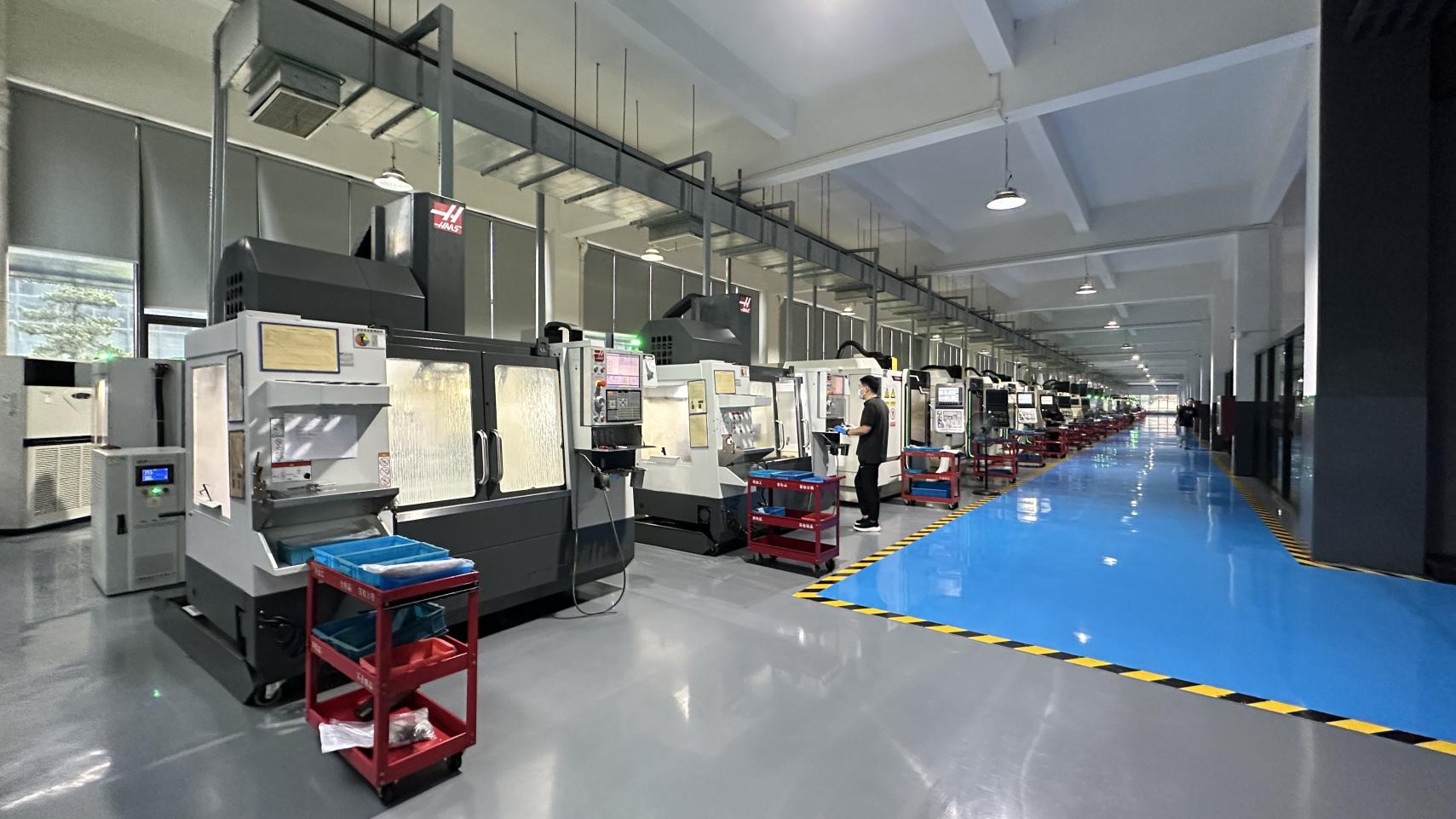
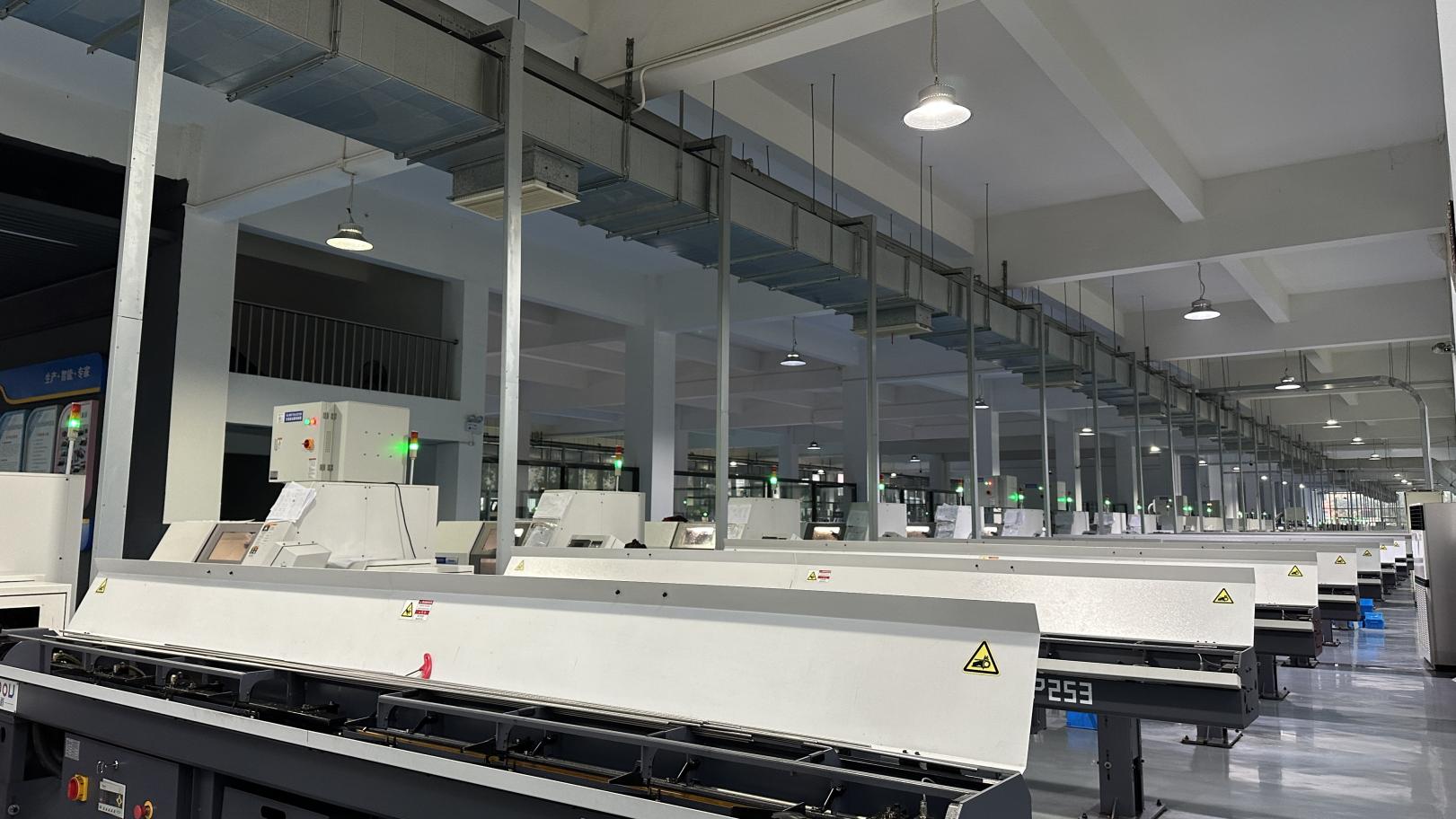
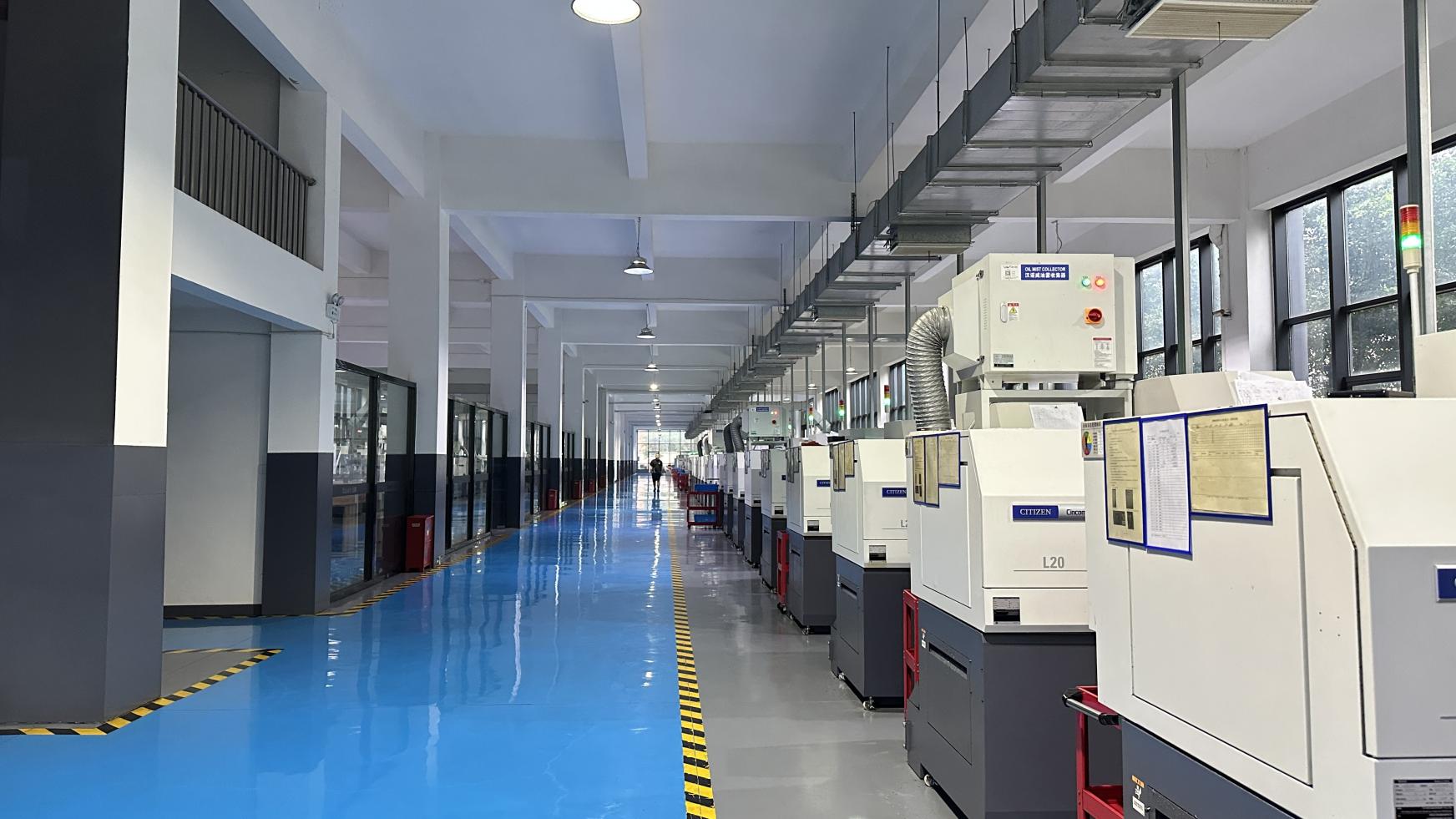
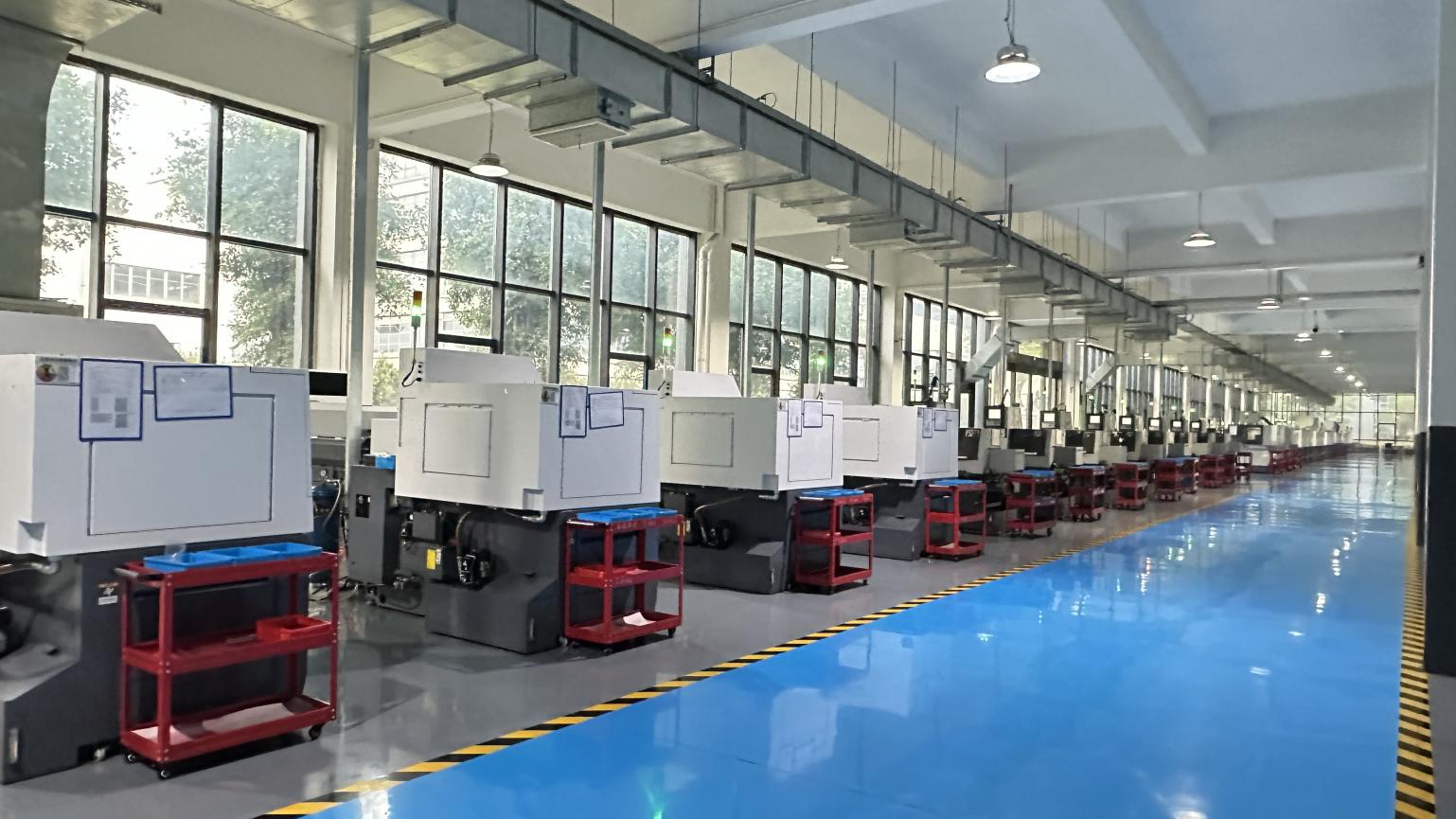
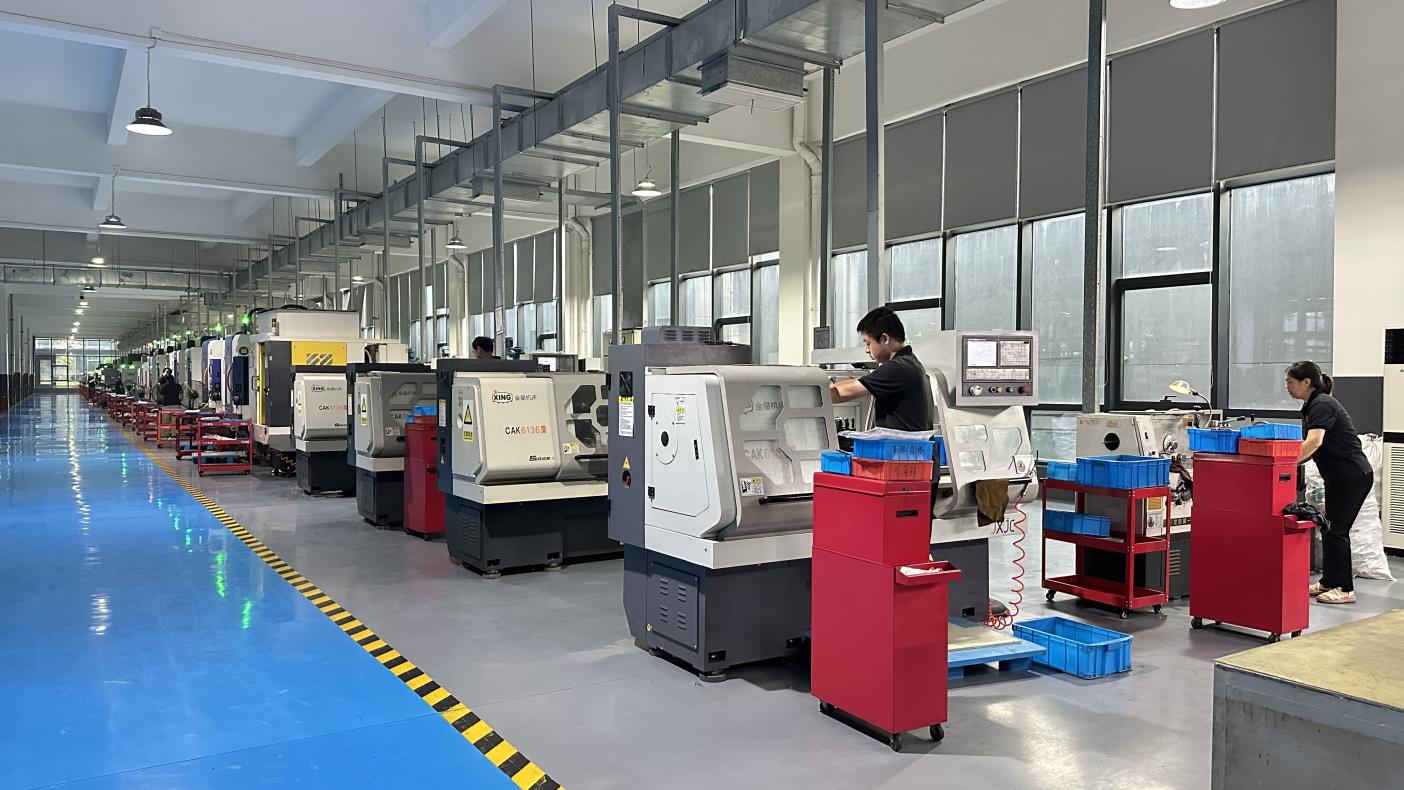
The modern Chinese manufacturing sector has moved beyond simple assembly lines to adopt advanced smart-factory principles. High-precision medical components, such as cannulated headless compression screws and proximal femur intramedullary nails, are produced on automated multi-axis Swiss CNC longitudinal lathe centers.
These advanced machines complete turning, milling, deep-hole drilling, and thread chasing in a single continuous cycle, eliminating manual positioning errors and keeping manufacturing tolerances within ±5 microns.
Foshan Wigivida Medical Co., Ltd. is a leading China-based manufacturer of high-quality medical consumables and devices, specializing in respiratory products, medical tubes, urology products, hypodermic and surgical consumables. Through specialized divisions and strategic manufacturing alignments, the company provides reliable, safe, and innovative solutions to hospitals, clinics, and medical distributors worldwide.

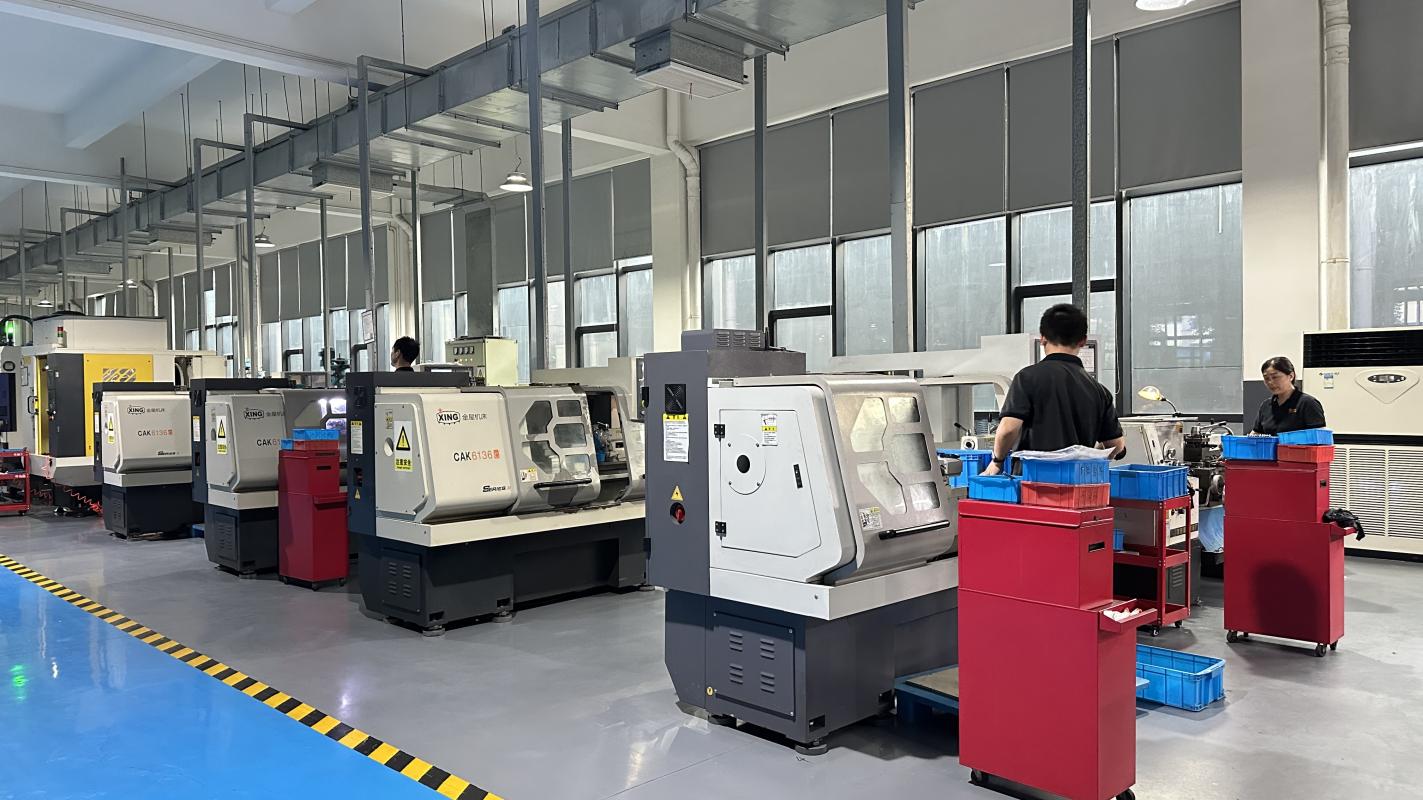
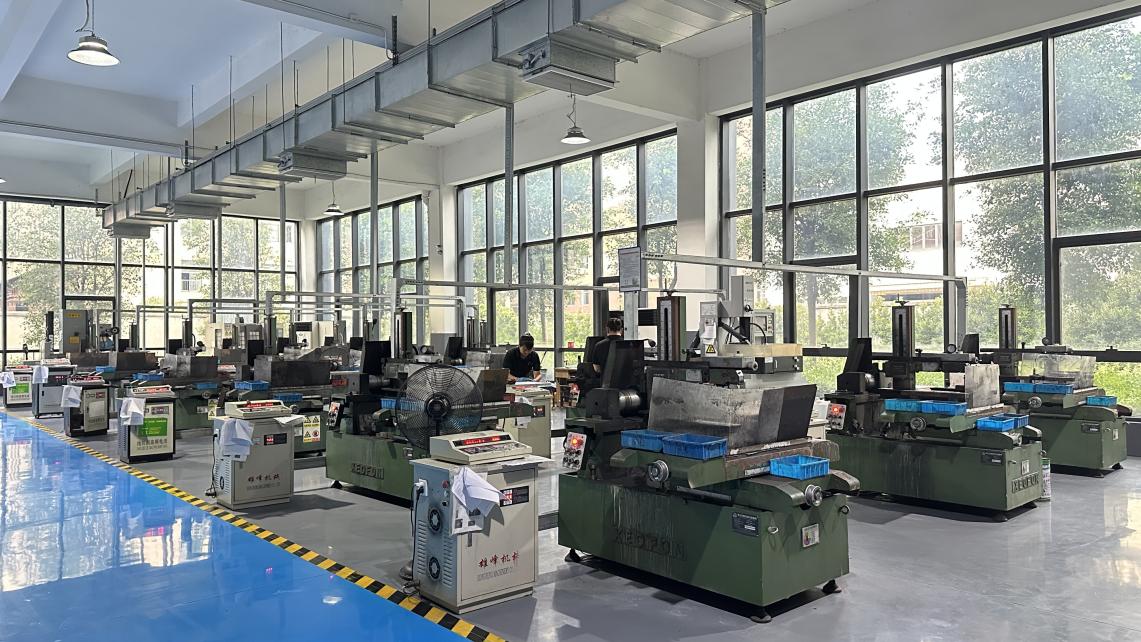
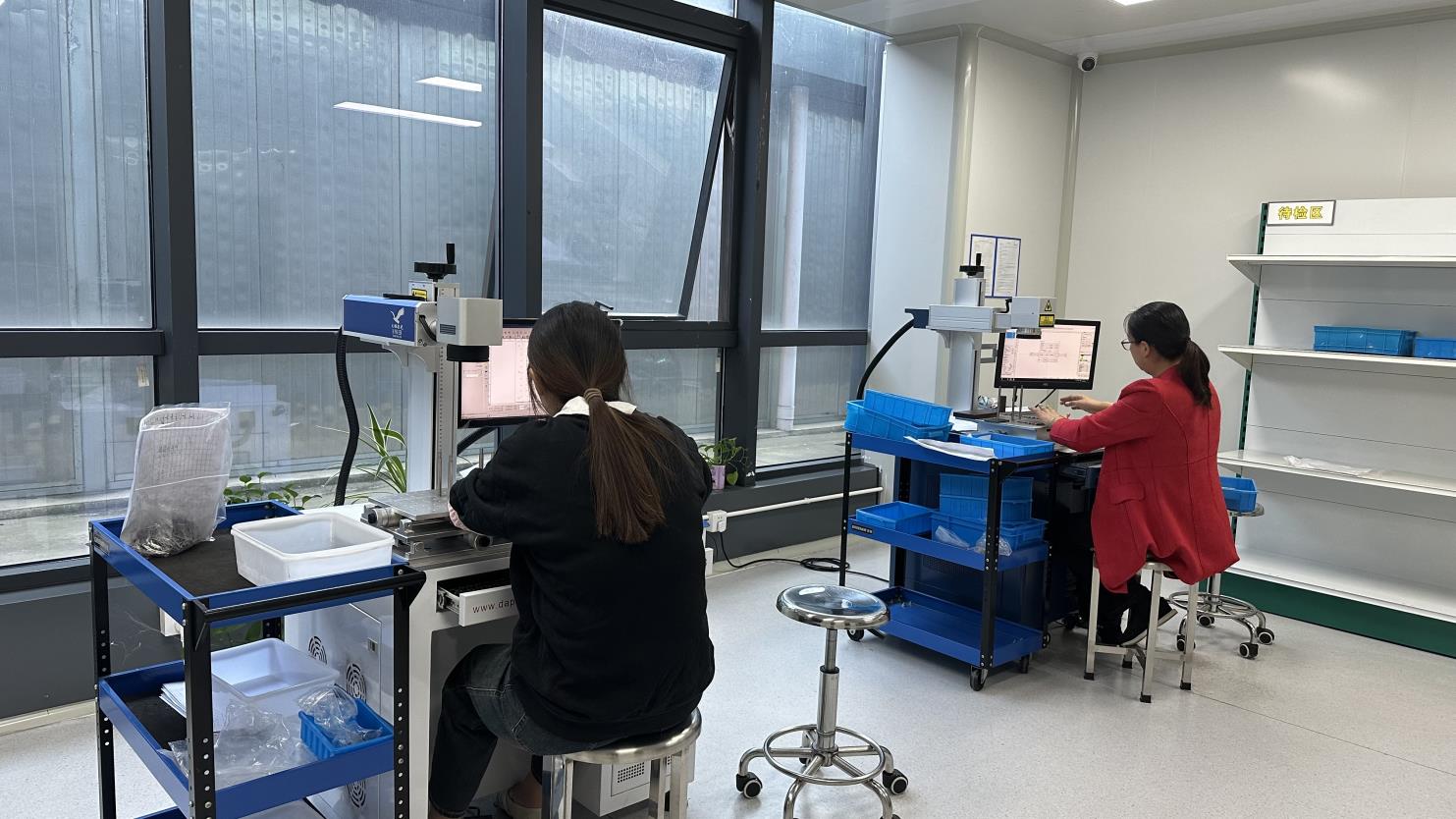
Wigivida Medical emphasizes innovation, research, and precision manufacturing, combining advanced production technology with a rigorous quality management system. Guided by the principles of "quality first, service first, and customer satisfaction-driven," the company has earned an excellent reputation both domestically and internationally. Our production facility houses a series of advanced CNC machinery, wire-cutting stations, and clean packaging zones.
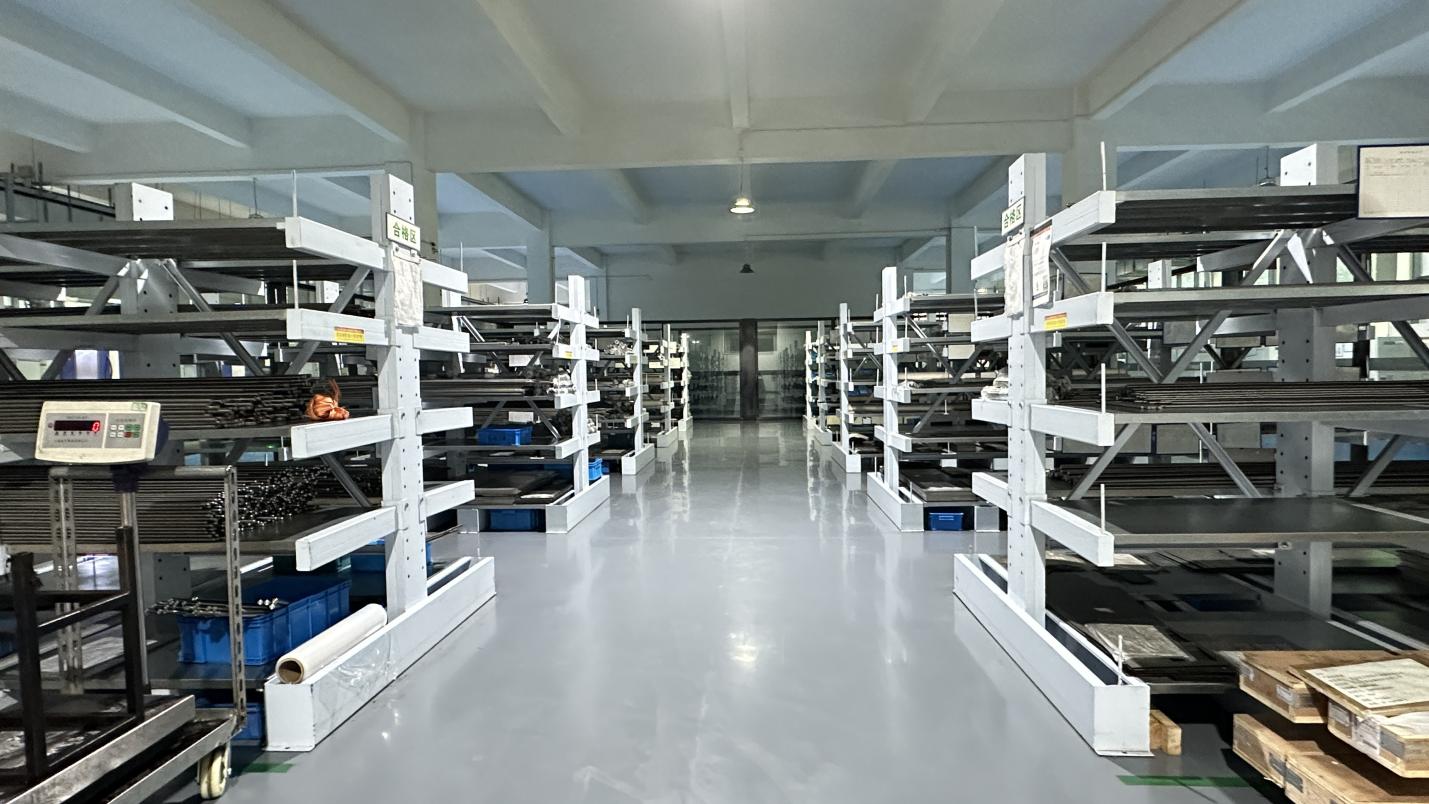
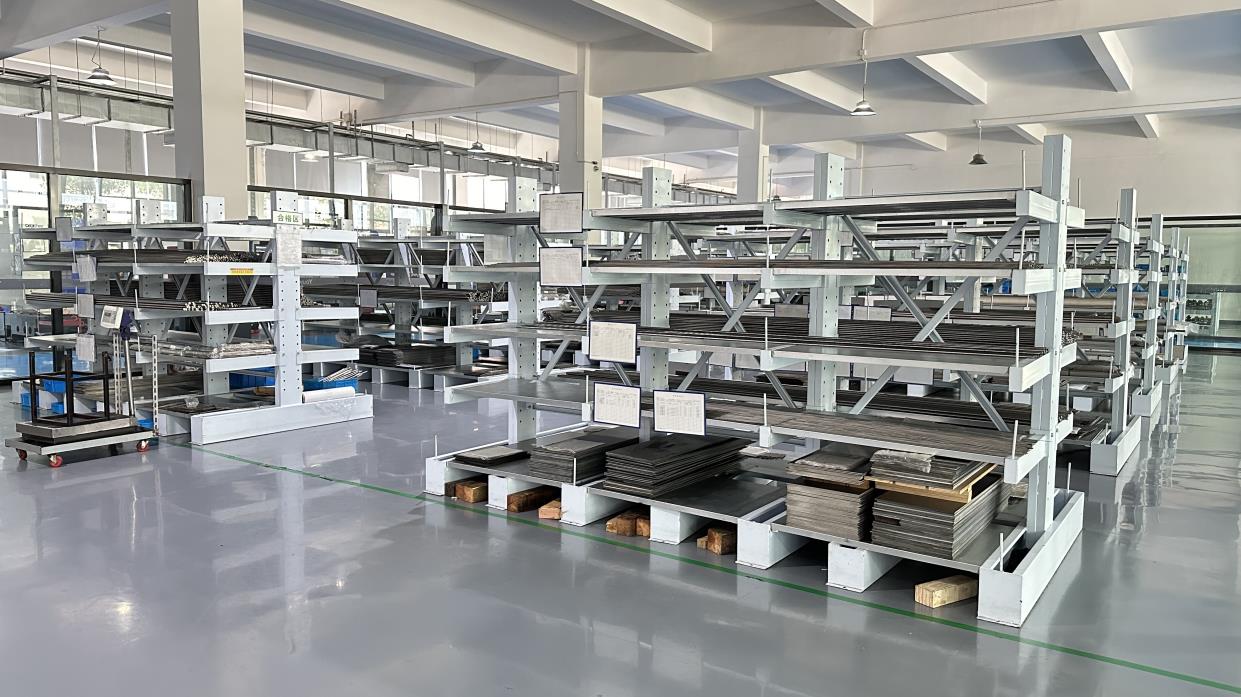
Strict verification of medical titanium and medical grade plastics (PEEK, PLLA, PVC) to guarantee bio-performance.
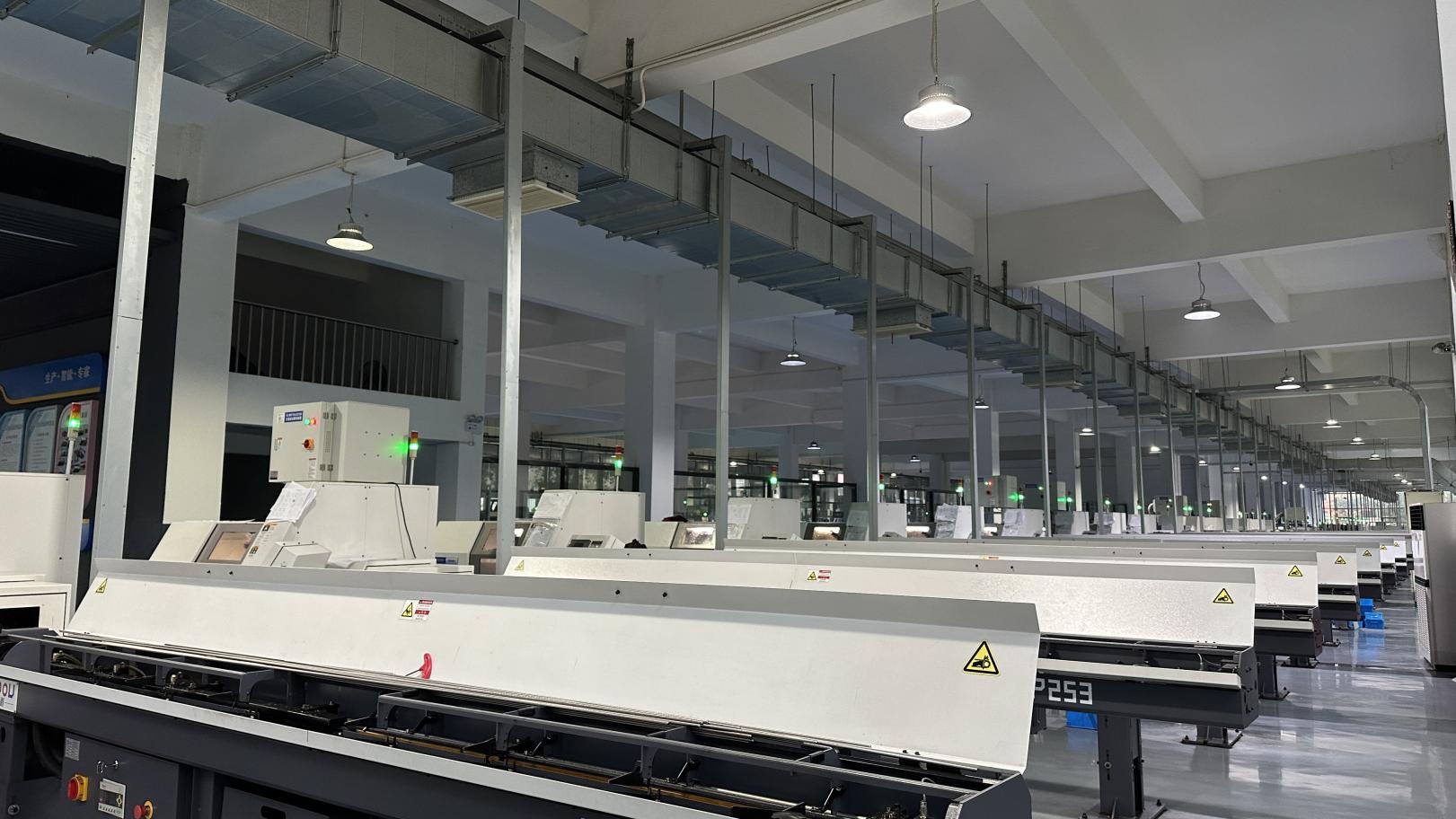
High precision raw material preparation to ensure uniform dimensions prior to the primary turning stage.
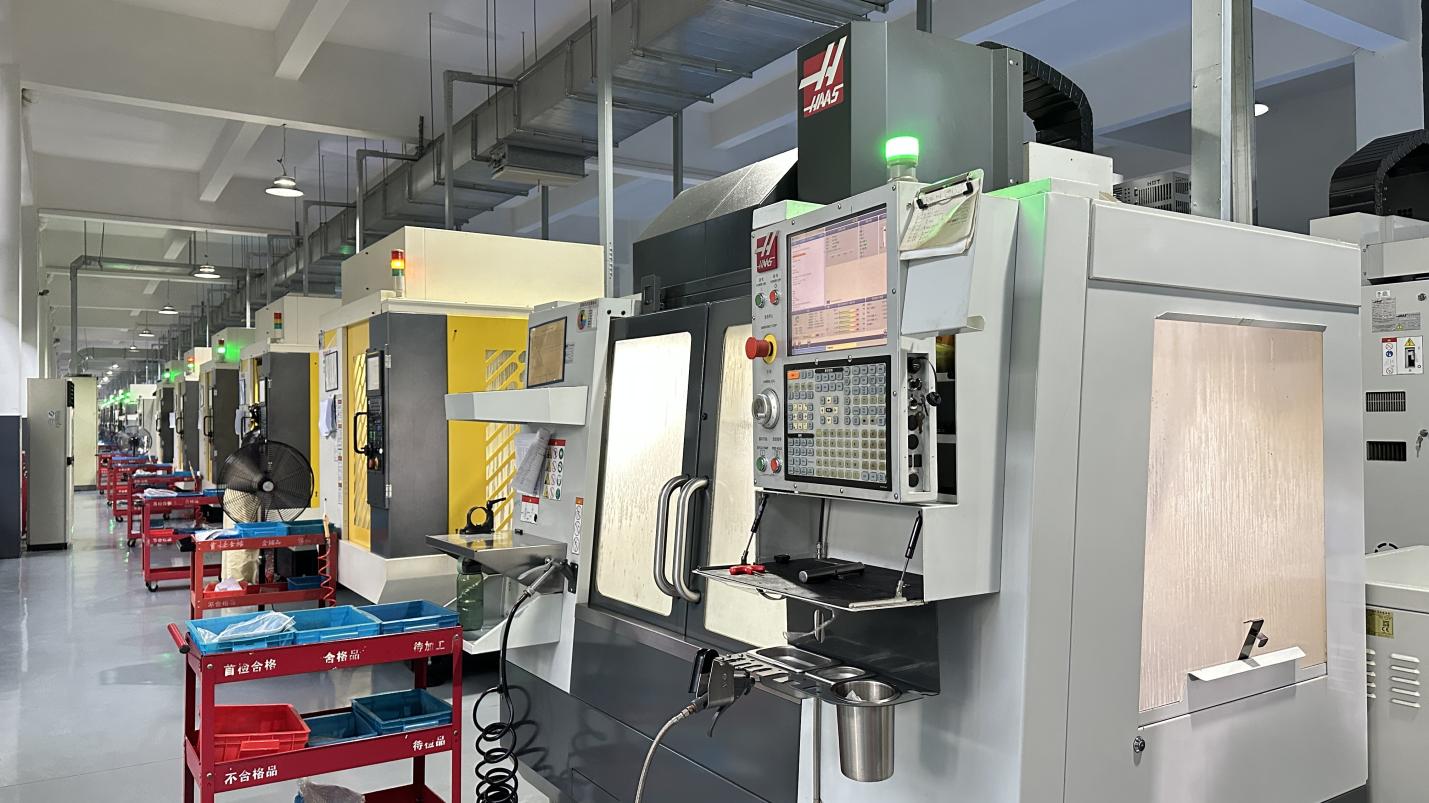
Multi-axis Swiss turning centers mill complex screw threads, inner cannula hollows, and driving sockets.
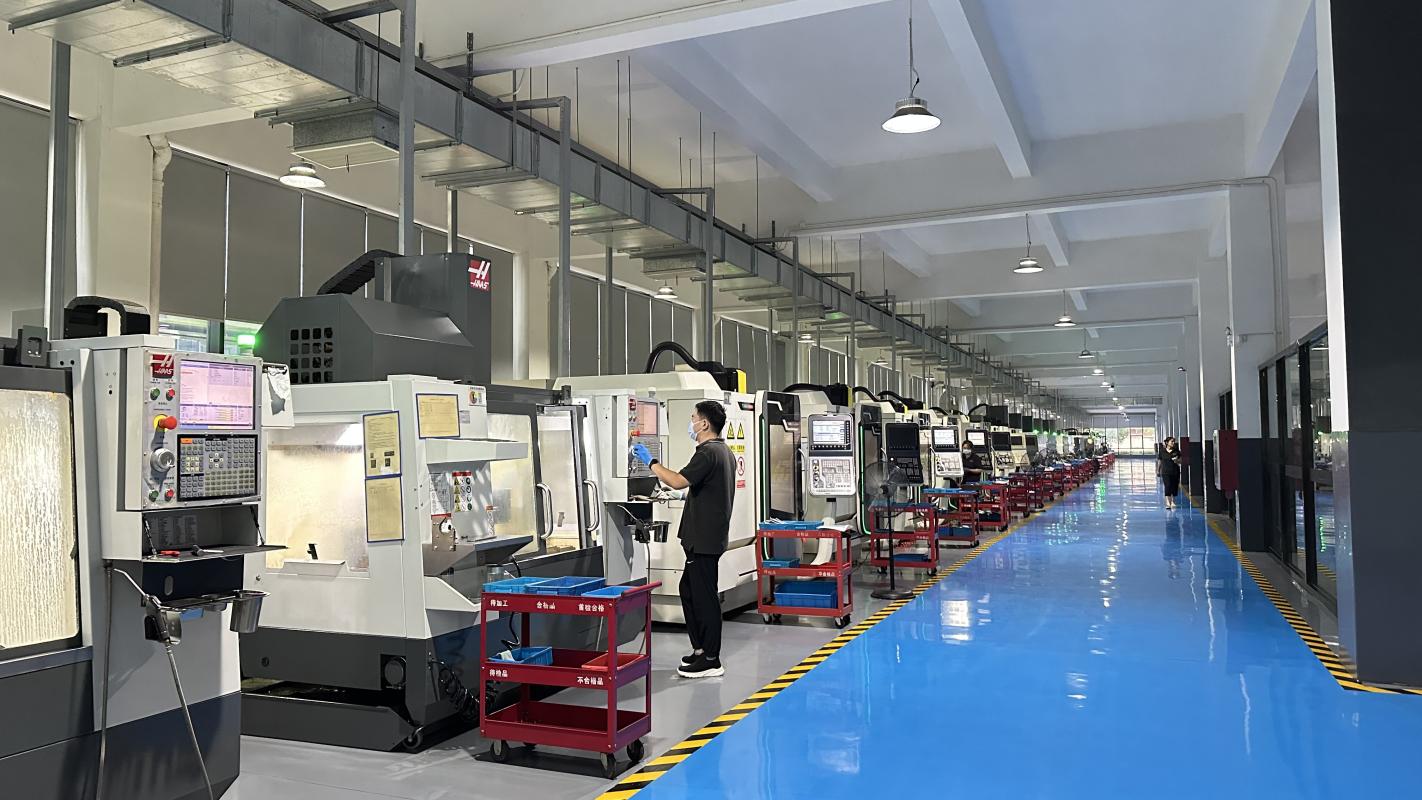
Detailed secondary milling on the headless compression profiles to guarantee correct pitch variation.
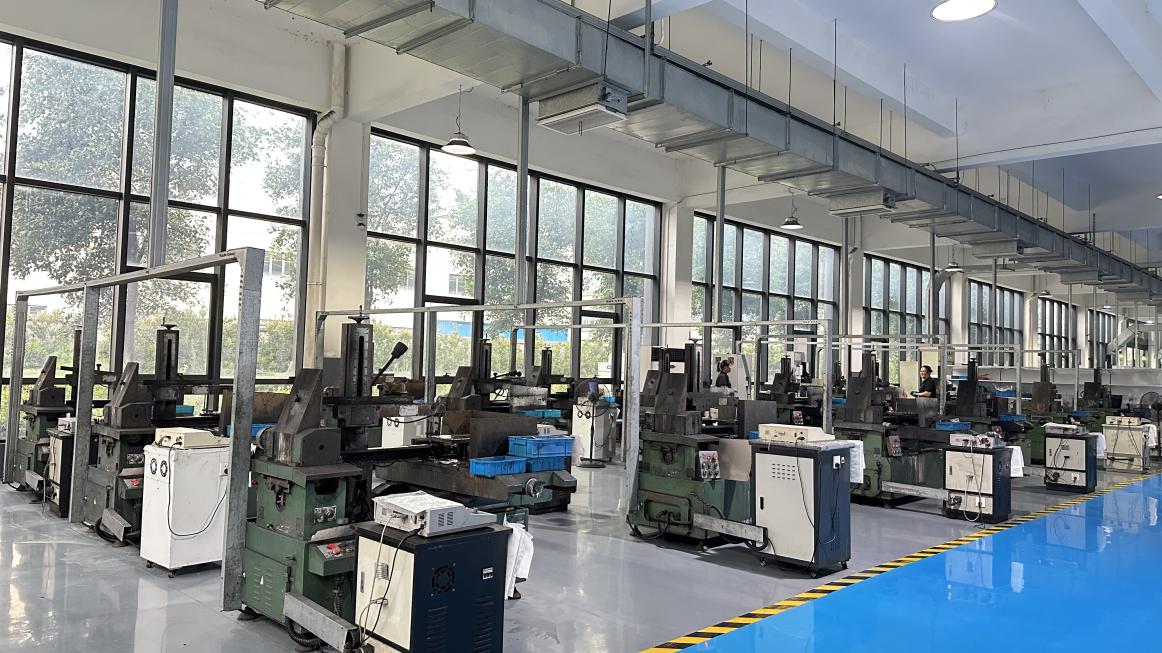
Precision electro-discharge wire cutting to shape complex interlocking geometries and specialized slot guides.
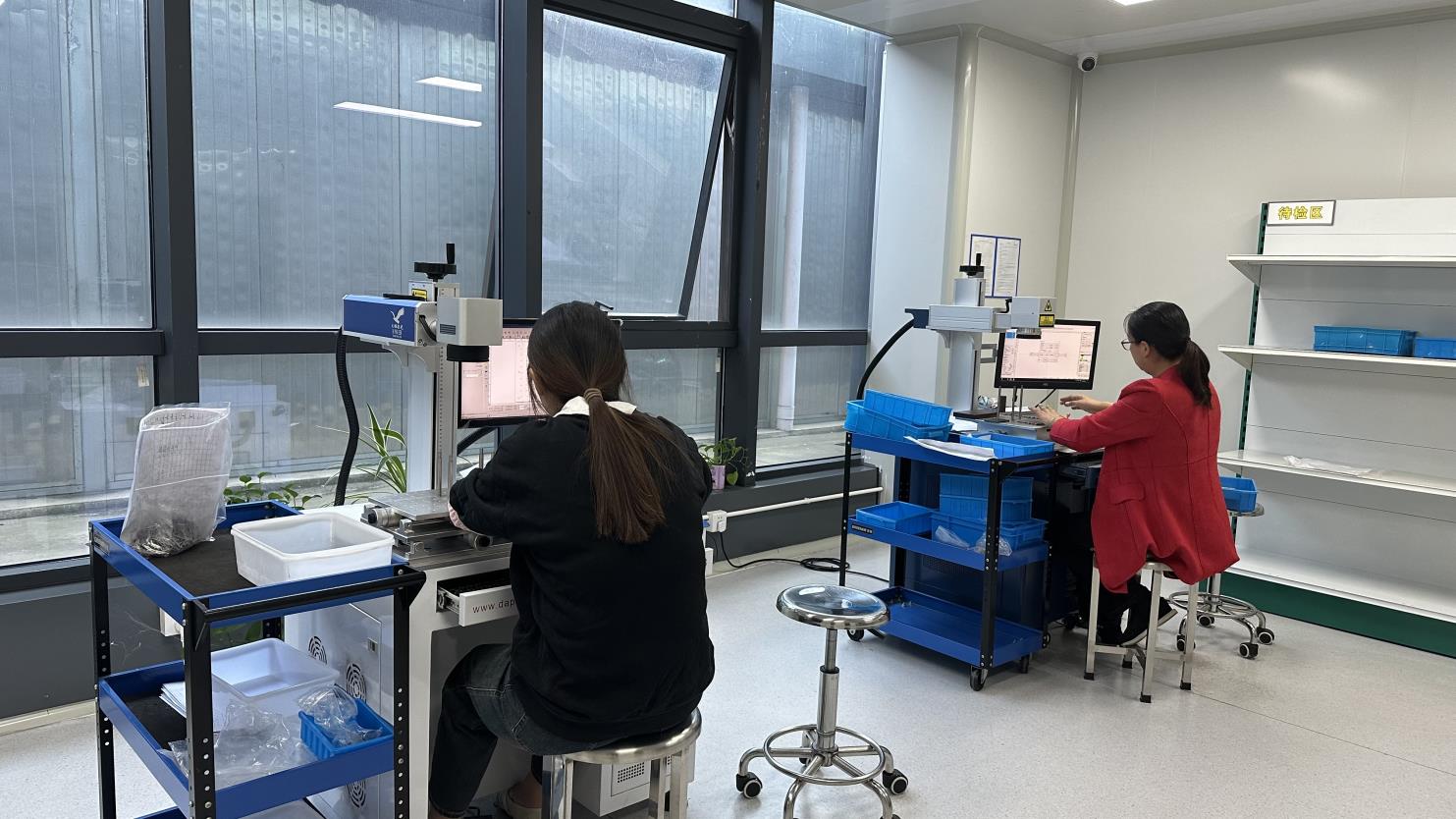
Permanent UDI (Unique Device Identification) and batch markings are laser etched to meet FDA standards.
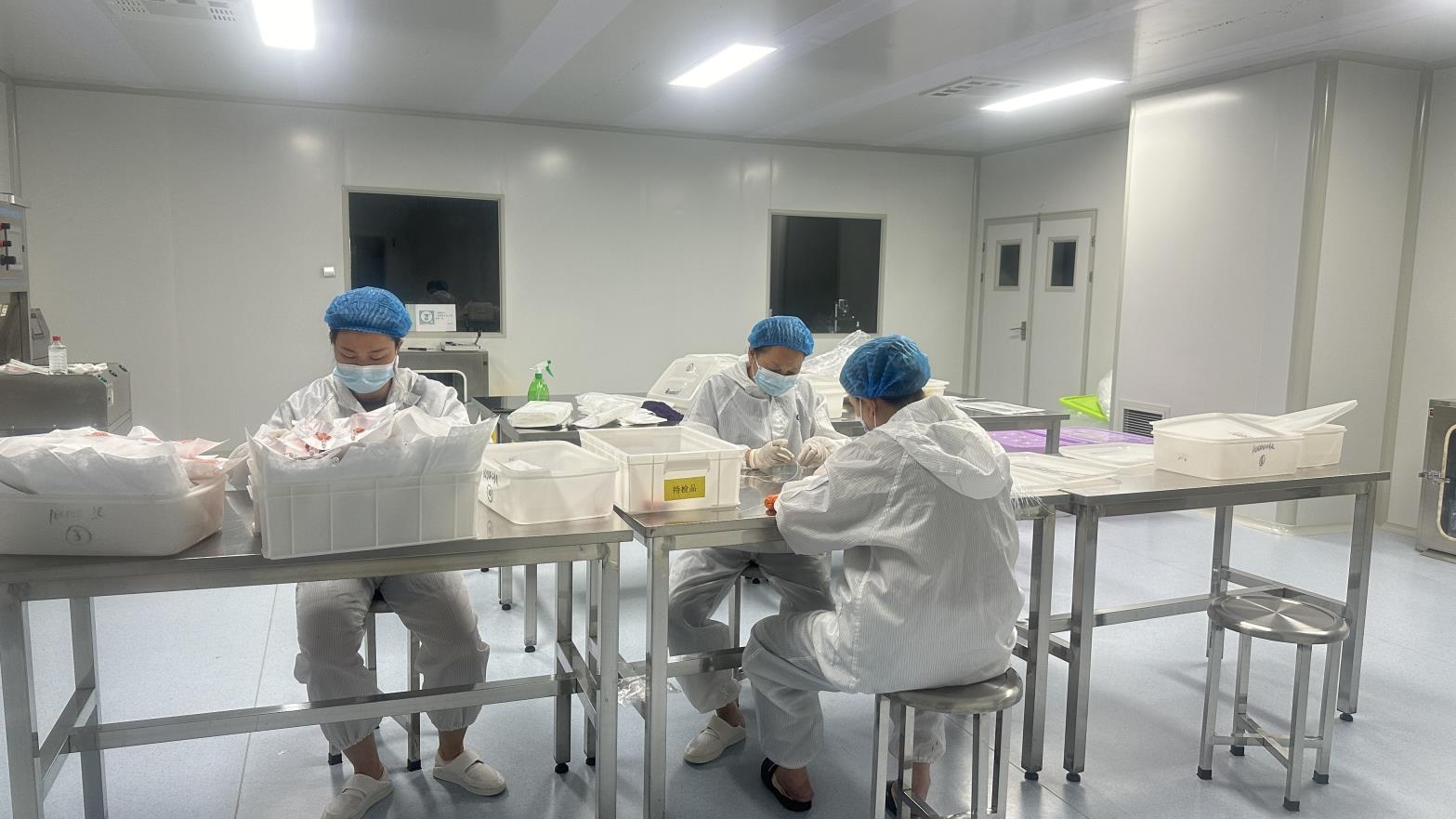
Dimensional checks using optical comparator systems, followed by cleanroom packaging to maintain product safety.

Standardized temperature and humidity-controlled storage ensuring inventory preservation and quick dispatch.
Understanding the clinical demand for cannulated compression screw designs across various reconstructive fields.
Cannulated screws are the clinical gold standard for fixing fractures in the scaphoid, femoral neck, and ankle joint (talus & calcaneus). The ability to place a guide wire allows surgeons to reduce the fracture percutaneously, minimizing muscle strip trauma and preserving regional vascular supply.
During anterior cruciate ligament (ACL) and posterior cruciate ligament (PCL) reconstructions, bioabsorbable (PLLA) and inert polymer (PEEK) interference screws are used to secure tendon grafts inside the bone tunnel. Their structural profile provides immediate biomechanical stability while avoiding damage to the graft fibers.
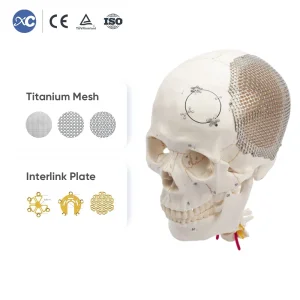
In complex craniofacial reconstructive and orthognathic surgical procedures, micro-cannulated locking screws and reconstructive plates provide rigid fixation. High dimensional stability is vital in these procedures to ensure normal anatomical function and aesthetic recovery.
In osteoporotic patients, cannulated screws with fenestrated tips can be injected with polymethylmethacrylate (PMMA) bone cement, providing immediate local reinforcement and significantly improving pull-out strength in low-density bone environments.

Ensuring zero-defect performance in highly critical surgical environments.
The safety of orthopedic implants relies heavily on consistent quality. At our production facility, each production run undergoes strict mechanical testing protocols to verify that it meets or exceeds global biomechanical standards:
Our quality assurance testing includes: 1. Torsion Strength Testing: Ensuring screws withstand high torque levels during insertion into dense cortical bone without shearing. 2. Pull-out Evaluation: Verifying thread pitch designs provide strong fixation and compression within low-density cancellous bone. 3. Fatigue Analysis: Subjecting implants to cyclic load simulation tests to confirm they will not undergo stress fractures before bone healing is complete.

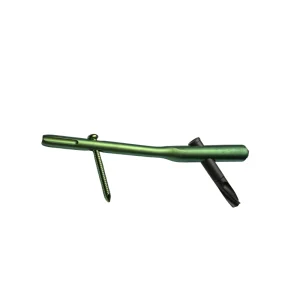
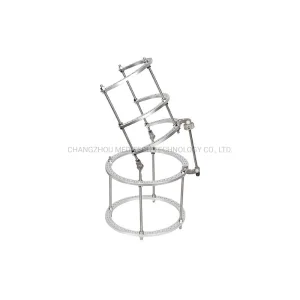
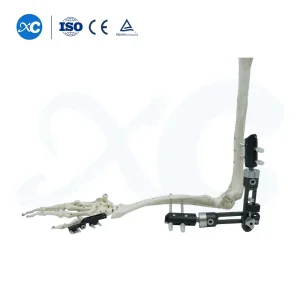
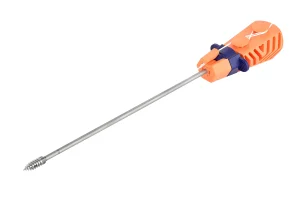
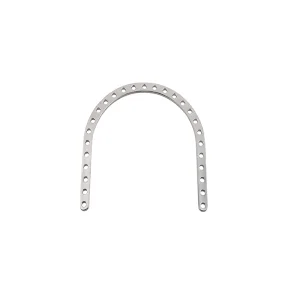
A wider selection of medical-grade surgical hardware, external constructs, and internal plating implants.
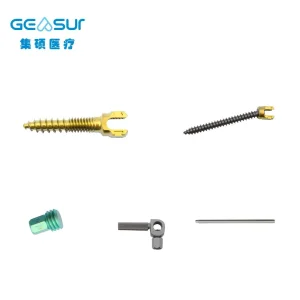
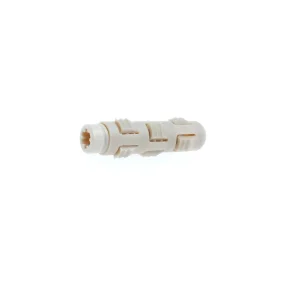
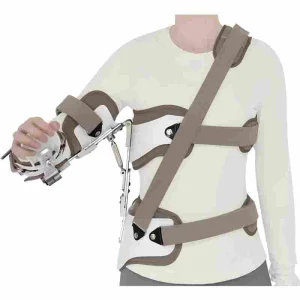
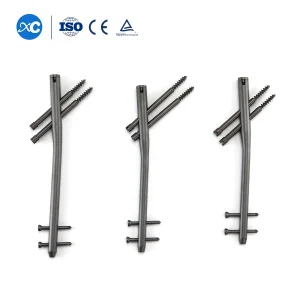

Technical answers to help buyers evaluate implant materials, manufacturing standards, and clinical applications.
The headless design allows the screw to be fully countersunk below the articular cartilage surface. This reduces soft tissue irritation, minimizes joint impingement, and delivers strong interfragmentary compression due to the changing thread pitch between the lead and trailing ends.
ASTM F136 defines the material standard for Ti-6Al-4V ELI (Extra Low Interstitial) titanium alloy intended for surgical implants. Compared to standard industrial Grade 5 titanium, it contains lower limits of oxygen, nitrogen, carbon, and iron, yielding significantly higher fatigue strength, fracture toughness, and superior biocompatibility.
A qualified exporter must operate under ISO 13485 (Medical Devices Quality Management Systems). Depending on the destination region, they must also maintain CE marks (EU MDR compliance) and US FDA registrations, ensuring all sterile barrier packaging processes conform to ISO 11607.
Not completely. While PLLA (Poly-L-Lactic Acid) is ideal for low-load applications (like pediatric surgeries, small bone fragments, or ligament reconstructions where hardware removal is undesirable), titanium screws remain the standard for load-bearing structures (such as femoral neck or tibial fractures) that require long-term mechanical stability.
Swiss CNC milling produces highly precise thread profiles and sharp self-tapping tips. This allows for smoother insertion with lower friction torque, reducing the risk of micro-fractures around the implant site during surgery and optimizing overall primary stability.
OEM/ODM lead times generally range from 30 to 45 days. This includes initial raw material sourcing, multi-axis CNC machining, surface anodization treatments, final packaging, and quality inspections in an ISO Class 7 cleanroom environment.
By running automated CNC machinery alongside strict inspection systems, Wigivida checks dimensional tolerances at multiple production stages. All materials undergo raw mechanical testing, and batch trace documentation is kept for every batch shipped.
Implants are typically sealed in double-layer Tyvek peel pouches that maintain sterility. We offer pre-sterilized units (Ethylene Oxide or Gamma irradiation) ready for direct clinical use, or non-sterile bulk packaging for hospital sterilization.
 Wigivida Medical