Surgery is a significant life event. It prompts many questions, including, "Can I drink alcohol after surgery?" This concern is common among patients. Alcohol can interact with medications. It may also slow down healing.
Understanding the risks is crucial. Alcohol can cause complications. It might increase bleeding or affect anesthesia. These factors are important for recovery. Rushing back to old habits can be tempting. However, a thoughtful approach is needed.
Patients must consider their unique situations. Individual health conditions vary. Some may need more time to recover. Seeking advice from healthcare professionals is essential. They offer personalized guidance based on medical history. Make informed decisions before consuming alcohol post-surgery. Reflecting on these aspects can ensure a smoother recovery.
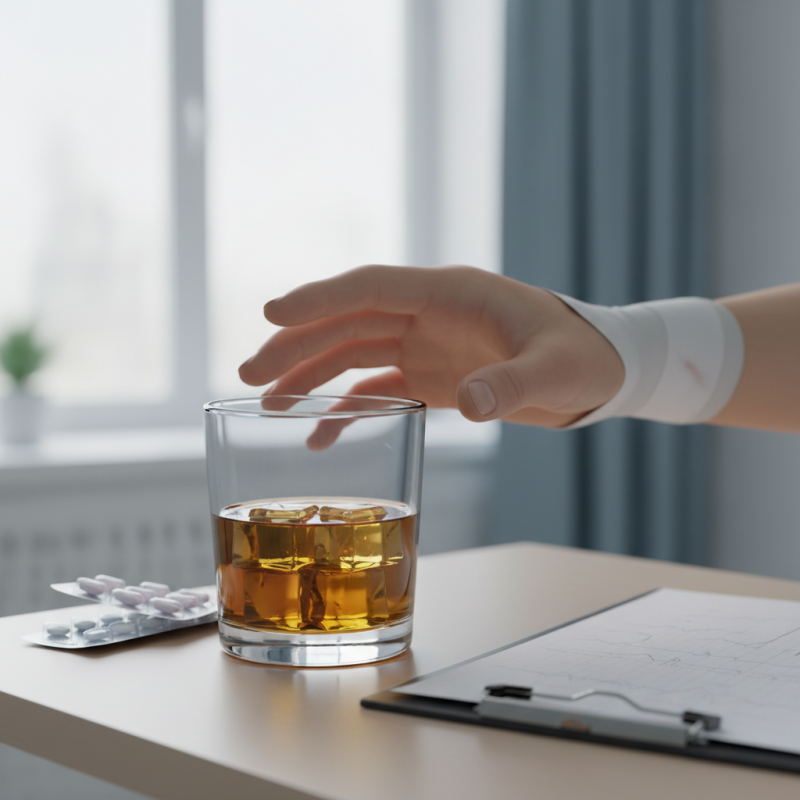
After surgery, the body needs time to heal. Alcohol consumption can interfere with this critical recovery process. Studies suggest that drinking alcohol can lead to complications, including delayed wound healing and increased infection risk. For example, alcohol impairs the immune system, making it harder for your body to fight off infections.
Furthermore, a 2020 study published in the Journal of Surgical Research highlighted that patients who consumed alcohol post-surgery had a 30% higher chance of complications. These complications can range from respiratory issues to prolonged hospital stays. The effects of anesthesia can also be prolonged by alcohol, affecting both pain management and recovery.
It’s essential to be cautious with alcohol after surgical procedures. While some might think a small drink helps relax, it could hinder the healing process. Reflecting on individual health and recovery pathways can shed light on how personal choices impact overall outcomes. These insights emphasize the need for careful consideration of alcohol consumption post-surgery.
After surgery, your body needs time to heal. The effects of alcohol on recovery can be significant. Consuming alcohol can interfere with your body's ability to mend tissues and recover from anesthesia. Alcohol thins the blood, which may lead to increased bleeding. This is especially concerning during the initial recovery phase.
Pain management is another crucial aspect of healing. Alcohol can interact with pain medications, reducing their efficacy. This may lead to increased discomfort. Some patients might mistakenly believe a drink could ease their stress, but it often complicates recovery.
Consider the psychological effects as well. Alcohol can alter your mood and mental clarity, which is vital during recovery. It’s easy to overlook the importance of these aspects. Reflect on your choices. Healing requires a focused mind and a healthy body. Drinking may feel tempting but could hinder your progress. Make mindful decisions for your recovery journey.
After surgery, it’s important to understand the timing of alcohol consumption. While it might be tempting to have a drink, your body needs time to heal. Generally, doctors recommend waiting at least 48 hours post-surgery before consuming alcohol. This allows your body to recover from anesthesia and eliminate any medications that may interact negatively with alcohol.
Consider the type of surgery performed. For minor procedures, the waiting period might be shorter. However, for major surgeries, the implications can be more serious. Alcohol can interfere with healing, increase the risk of complications, and reduce the effectiveness of pain medications. It’s crucial to listen to your body and communicate with your healthcare provider. Recovery time varies from person to person, and your unique situation could require a longer abstinence from alcohol.
Additionally, think about your own health habits. Many people underestimate the effects of alcohol on healing. It can disrupt sleep, impair judgment, and increase anxiety. These factors can hinder your recovery journey. Reflecting on your lifestyle choices after surgery can promote better healing. Always prioritize your health over social gatherings.
| Research Study | Key Findings | Recommended Waiting Period (Days) | Risks of Drinking Alcohol |
|---|---|---|---|
| Study 1 | Increased risk of infection | 7-10 days | Impaired healing, dehydration |
| Study 2 | Delayed recovery time | 14 days | Increased bleeding, medication interaction |
| Study 3 | Liver function impact | 30 days | Risk of liver complications |
| Study 4 | Negative impact on anesthesia | 1 week | Anesthesia complications, prolonged sedation |
After surgery, the body is in recovery mode. This is a critical time where alcohol consumption can pose significant risks. Alcohol may interact negatively with prescription medications commonly prescribed after surgical procedures. These interactions can lead to heightened side effects or reduced effectiveness of medications. Research indicates that nearly 15% of post-operative patients experience complications due to alcohol and medication interactions.
Common medications, such as pain relievers and anti-inflammatories, can interact with alcohol in dangerous ways. For example, combining opioids and alcohol can lead to severe sedation or respiratory depression. The Journal of Pain Research notes that patients should wait at least 48 hours before consuming alcohol when on these medications. In some cases, even light drinking can lead to unexpected side effects.
Moreover, alcohol can impair wound healing and increase the risk of infection. A study in the British Journal of Surgery showed that patients who consumed alcohol in the post-operative phase had a 30% higher rate of complications. While the desire to unwind with a drink may be tempting, the ramifications can outweigh the benefits. Awareness of these potential pitfalls is crucial for anyone recovering from surgery.
After surgery, many patients wonder about the safety of consuming alcohol. Consulting your doctor is crucial. They can provide tailored guidelines based on individual health and the type of surgery. Research indicates that alcohol can impair healing processes. In a study published in the Journal of Surgical Research, over 30% of patients who consumed alcohol experienced delayed recovery.
Alcohol interacts with medications prescribed post-surgery. Common pain relievers and anti-inflammatories can cause adverse reactions when mixed with alcohol. For instance, both alcohol and certain medications put stress on the liver. This can increase complications, extending the recovery time. The American College of Surgeons suggests waiting at least 48 hours after surgery before considering any alcohol consumption.
Each patient’s situation is unique. Personal health conditions play a significant role. A history of substance abuse or liver disease raises additional concerns. These patients should approach alcohol with greater caution. Self-reflection on one’s health decisions is essential. Ultimately, open communication with your healthcare provider is vital for a safe post-surgery recovery.
: Generally, doctors recommend waiting at least 48 hours after surgery before drinking alcohol.
Alcohol can interfere with healing and reduce the effectiveness of pain medications after surgery.
Yes, minor procedures may require a shorter waiting period compared to major surgeries.
Alcohol can heighten side effects and reduce the effectiveness of post-surgery medications.
Drinking can lead to serious complications, including impaired wound healing and a higher infection rate.
It can disrupt sleep, impair judgment, and increase anxiety, hindering your recovery process.
Reflect on your health habits and prioritize healing over social drinking.
Nearly 15% of post-operative patients face complications due to alcohol and medication interactions.
Pain relievers and anti-inflammatories can have dangerous interactions with alcohol.
Even light drinking can lead to unexpected side effects and risks after surgical procedures.
After surgery, many individuals wonder, "Can I drink alcohol after surgery?" It's essential to understand the risks associated with alcohol consumption during the recovery process. Alcohol can negatively affect healing by impairing the immune system, increasing the risk of infection, and interfering with the body’s ability to repair tissue. Therefore, it's crucial to wait for an appropriate period before consuming alcohol, with recommendations often suggesting a minimum of 48 hours post-op, but this can vary based on individual circumstances and the type of surgery.
Moreover, alcohol may interact with prescription medications taken after surgery, potentially amplifying side effects or reducing the effectiveness of pain management. Therefore, consulting your doctor for personalized guidelines on alcohol consumption post-surgery is vital. This ensures a safe recovery while minimizing any complications related to your health or medication.

Wigivida Medical