Can I Smoke After Getting Dental Implants Safety Tips?

Time:2026-05-28 Author:Mason
0%

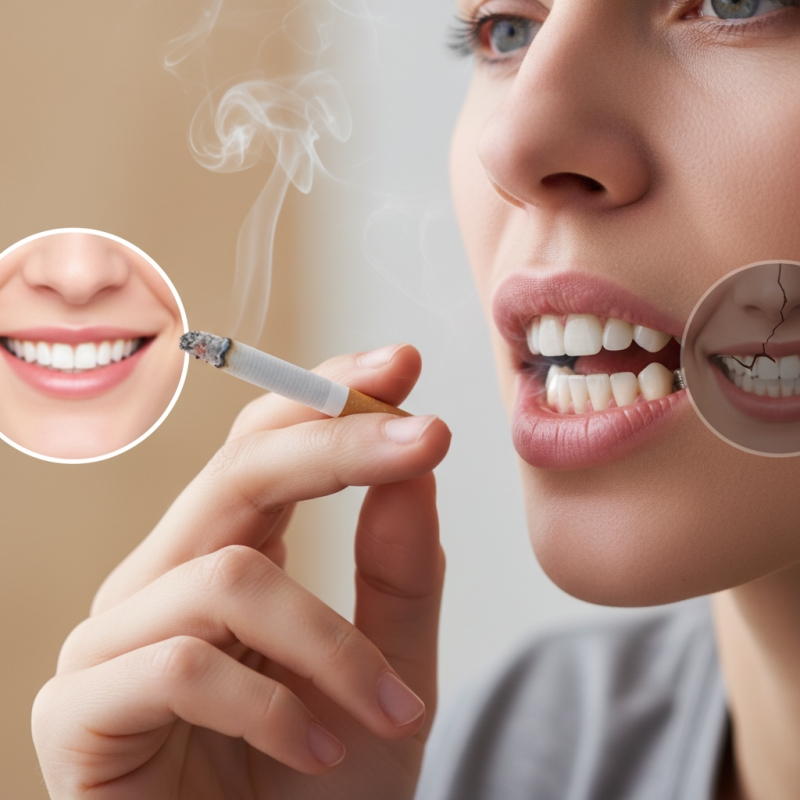
Dental implants are a popular solution for missing teeth. They can improve both appearance and function. However, many people wonder, "Can I smoke with implants?" Smoking after dental surgery poses risks. Nicotine can affect blood flow, which is crucial for healing.

When you smoke, the healing process may slow down. This can lead to complications such as infection or implant failure. It's important to think about your health and well-being. Is it worth risking your investment in dental implants for a habit?

Experts recommend avoiding smoking for at least 48 hours post-surgery. However, the longer you can refrain, the better the outcome. If you can't quit entirely, consider reducing your intake. The road to recovery is not easy, but taking these steps can help ensure the longevity of your dental implants. Your smile deserves the best care possible.
Can I Smoke After Getting Dental Implants Safety Tips?

Understanding Dental Implants and Their Healing Process

Dental implants are increasingly popular for restoring missing teeth. Their success largely depends on a proper healing process. After the surgery, the body undergoes osseointegration. This is where the bone fuses with the implant, establishing stability. According to the American Dental Association, the success rate for implants exceeds 95% when maintained properly.

Healing can take several months. During this time, factors like smoking can adversely affect recovery. Studies indicate that smokers face a higher risk of implant failure. For example, a study published in the Journal of Oral Implantology showed that smoking increases the risk of complications by nearly 50%.

Tips for a better recovery:
Avoid smoking during the initial healing phase. Quitting for at least two weeks post-surgery is strongly advised. Additionally, follow your dentist's aftercare instructions. This may include good oral hygiene practices and regular check-ups. Your commitment to these guidelines can significantly enhance your implant's longevity. Taking care now means brighter smiles later.

The Impact of Smoking on Dental Implant Success

Smoking significantly impacts the success of dental implants. Nicotine and other chemicals in cigarettes can disrupt healing. After surgery, the body needs time to recover, and smoking interferes with this process. Studies show that smokers face higher failure rates with implants compared to non-smokers. These statistics highlight the importance of abstaining from smoking.

When you smoke, blood flow to the gums decreases. This reduced blood circulation can lead to complications. Smoking may cause infections, resulting in implant failure. Many patients underestimate the time required for healing. The temptation to smoke can overshadow the long-term benefits of preserving implant health.

If you’ve recently had implants, consider the impact of your choices. Quitting smoking, even temporarily, can promote better outcomes. Reflecting on your habits can lead to healthier decisions. It’s essential to prioritize recovery over immediate desires. Your dental health deserves that commitment.

Safety Tips for Smokers After Dental Implants

Smoking after dental implants poses significant risks. Research indicates that smokers have a 5.4 times higher risk of implant failure compared to non-smokers. Nicotine restricts blood flow. This can slow healing and increase complications.

Post-operative care is crucial. Avoid smoking for at least 48 to 72 hours after the procedure. This initial period is essential for proper healing. If you find it difficult to refrain, consider nicotine replacement therapies. These alternatives can help manage cravings without adding more risks to your recovery.

Oral hygiene also plays a vital role. Regular brushing and rinsing with salt water can keep the implant site clean. Some studies suggest that smokers often have lower oral hygiene standards. This can lead to infections and prolong recovery. Stay aware of your habits. Lack of awareness can lead to mistakes in self-care that could jeopardize the implant’s success.

Alternative Options to Smoking During Recovery

Recovering from dental implants can be challenging, especially for smokers. It’s crucial to consider alternative options to smoking during this period. Research shows that smoking can significantly impair healing, increasing the risk of complications by up to 300%. This underscores the importance of finding substitutes that preserve oral health.

Nicotine affects blood flow, which is essential for healing. Instead of turning to cigarettes or vaping, consider using nicotine patches or gum. These can reduce cravings without harming your implants. Herbal teas or sugar-free mints might help provide comfort and keep your mouth occupied.

Stay hydrated and nourish your body with fluids and soft foods. Some patients find that engaging in stress-relieving activities, such as meditation or gentle exercise, can distract them from the urge to smoke. Remember, this period is not only about healing but also about creating healthier habits. Opt for activities that promote well-being and reduce the likelihood of relapse. Each positive choice supports your recovery journey.

Impact of Smoking on Dental Implants Recovery

This chart illustrates the relationship between the timing of smoking and the success and complication rates of dental implants over a four-week recovery period. It's crucial to avoid smoking to enhance healing and reduce risks.

Consulting Your Dentist: Best Practices for Post-Implant Care

After getting dental implants, consulting your dentist is crucial for proper care. Your dentist can provide tailored advice specific to your situation. The healing process varies for each person, so personalized care is necessary.

Smoking after implants can hinder healing and lead to complications. Dentists often recommend quitting or at least reducing smoking. Having an open conversation with your dentist about your habits can help you understand the risks. They might suggest alternatives or coping strategies that can ease the transition.

Listening to your dentist is key. They have the expertise to guide you. Following their advice, like proper cleaning and avoiding certain activities, can ensure a successful recovery. Trusting their recommendations is essential for the best outcome. Take time to reflect on your oral health choices.

FAQS

: What are dental implants?

: Dental implants are artificial tooth roots used to replace missing teeth. They provide stability and improve oral function.

How long does healing take after dental implant surgery?

Healing can take several months. Osseointegration, where bone fuses with the implant, is crucial for success.

Does smoking affect the healing process?

Yes, smoking disrupts healing. It can lead to a higher risk of complications and implant failure.

How does smoking impact implant success rates?

Smokers have significantly higher failure rates. Studies show the risk is 5.4 times greater compared to non-smokers.

What should I avoid post-surgery for better recovery?

Avoid smoking for at least two weeks after surgery. It’s also vital to follow your dentist's care instructions.

What are some recommended post-operative care tips?

Maintain good oral hygiene and attend regular check-ups. Rinse with salt water to keep the area clean.

Can nicotine replacement help after surgery?

Yes, considering nicotine replacements can ease cravings. They allow for better recovery without smoking risks.

Why is oral hygiene important after implants?

Poor oral hygiene can increase infection risks. Smokers often neglect this, leading to complications during recovery.

What can happen if I don't prioritize recovery?

Neglecting recovery can jeopardize implant success. Reflect on your habits to make choices that promote better health.

How can I ensure long-term implant health?

Commit to avoiding smoking and maintaining rigorous oral hygiene. Your efforts can lead to a healthier smile in the future.

Conclusion

After receiving dental implants, many patients wonder, "Can I smoke with implants?" The healing process for dental implants is crucial for their success, and smoking can significantly hinder this recovery. Research shows that smoking adversely affects blood flow and can lead to complications such as implant failure, as well as prolonged healing times.

To ensure optimal results, smokers should consider several safety tips post-implant, including reducing smoking frequency or using nicotine replacements. Quitting smoking during recovery can dramatically improve implant success rates. Additionally, discussing your habits with your dentist can provide tailored advice and support for the best post-implant care. Exploring alternative options to smoking can further aid in a smoother recovery process and promote overall oral health.

Mason

Mason

Mason is a seasoned marketing professional with a deep expertise in the company's offerings and a passion for driving brand awareness. With a strong background in digital marketing strategies, he has an innate ability to connect with diverse audiences and effectively communicate product benefits.......