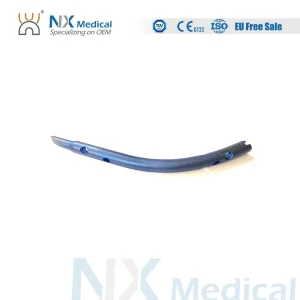
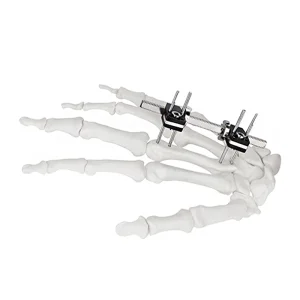
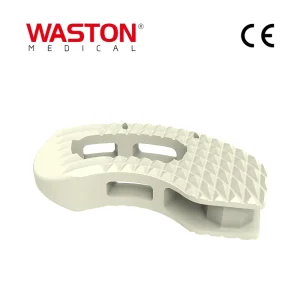
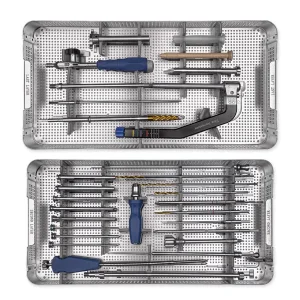
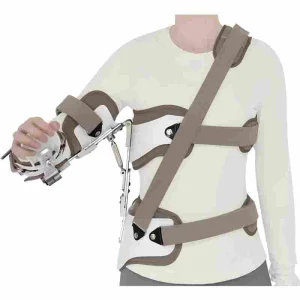
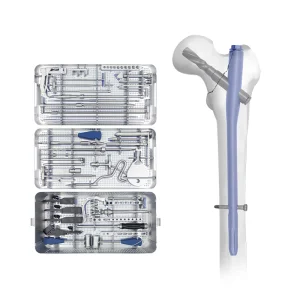
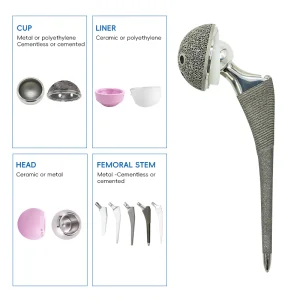
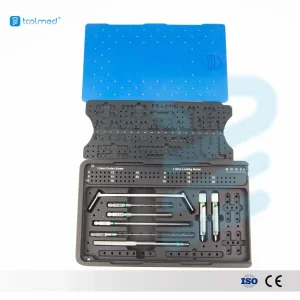
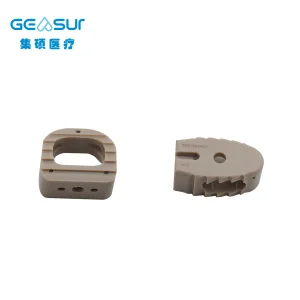
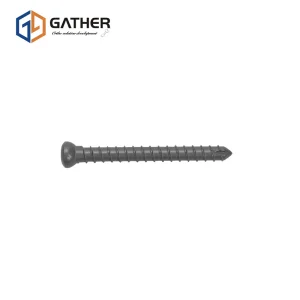
The global demand for orthopedic surgical instrument sets, particularly those designed for hip arthroplasty and reconstruction, has seen an exponential rise. As global demographics shift toward an aging population, the prevalence of osteoarthritis and traumatic injuries requiring hip intervention has surged. For medical facilities and procurement managers, sourcing high-quality, reliable hip instrument sets is no longer just about hardware—it is about clinical outcomes, patient safety, and operational efficiency.
China has emerged as the global epicenter for medical instrument manufacturing, not merely due to scale, but due to rapid advancements in metallurgical science, CNC machining precision, and strict compliance with international regulatory frameworks (such as ISO 13485 and CE certification).
Usage of high-grade surgical titanium alloys and medical-grade stainless steel, ensuring biocompatibility and longevity.
Advanced 5-axis CNC machining centers allow for micron-level tolerance, critical for complex instrument interactions during surgery.
Rapid prototyping capabilities that bridge the gap between initial surgeon feedback and final product iteration.
Foshan Wigivida Medical Co., Ltd. stands as a premier example of Chinese medical manufacturing excellence. By integrating research, design, and precision manufacturing, Wigivida provides a comprehensive suite of medical consumables and specialized surgical instruments.
Their approach to "Information Gain"—giving the customer more than they expect—is evident in their rigorous quality management systems. They ensure every instrument, from hypodermic needs to complex surgical trays, meets strict biocompatibility and durability standards. Their R&D team continuously evolves to meet the needs of hospitals and clinics worldwide, proving that localized expertise has global applications.

Advanced Materials
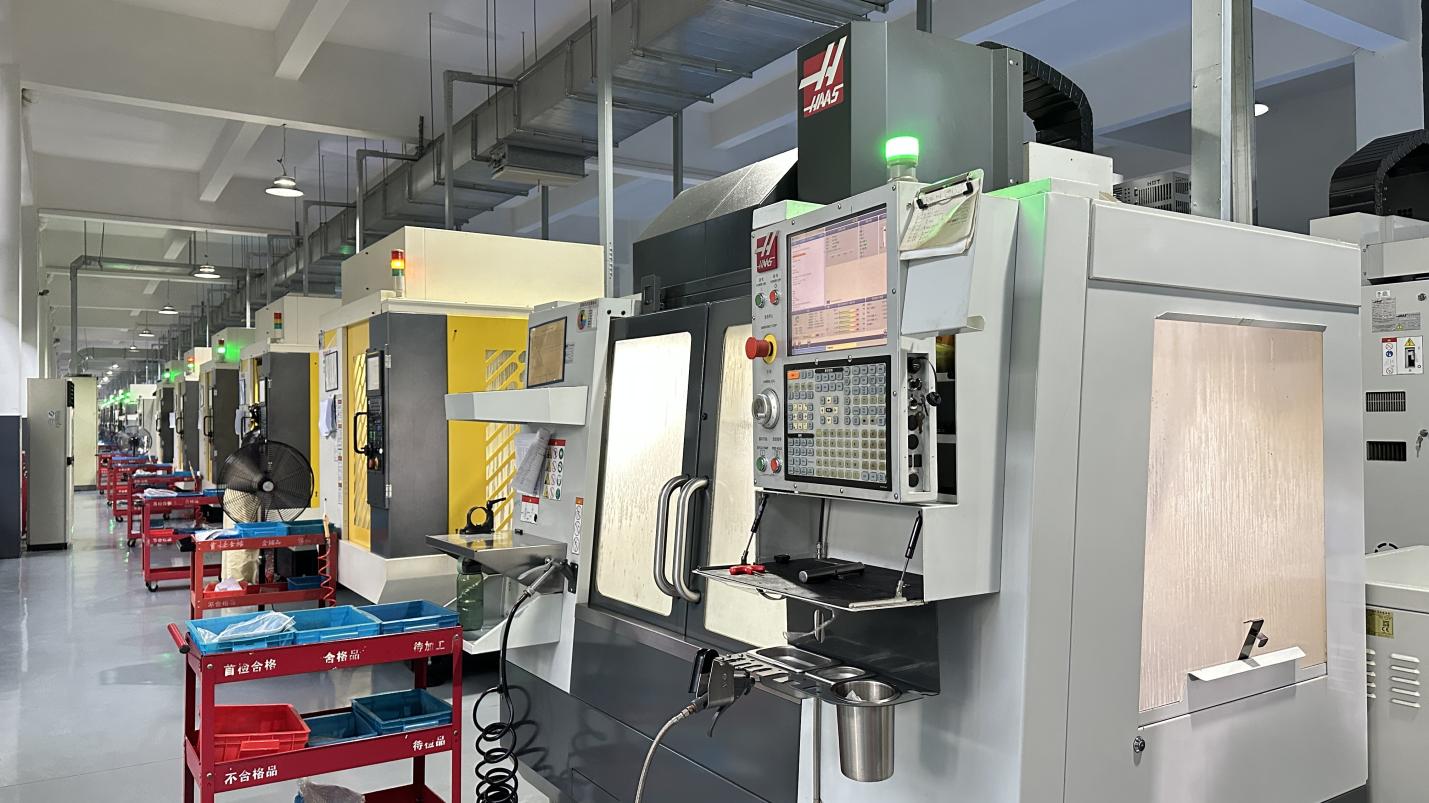
Precision Machining
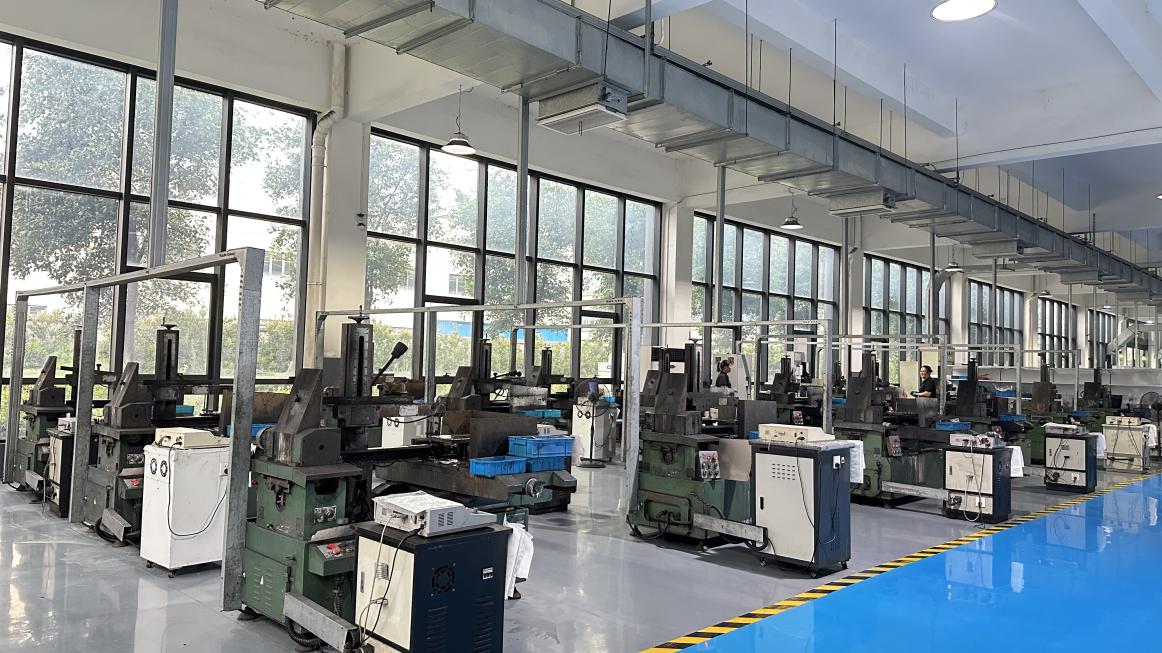
Wire-cutting Tech
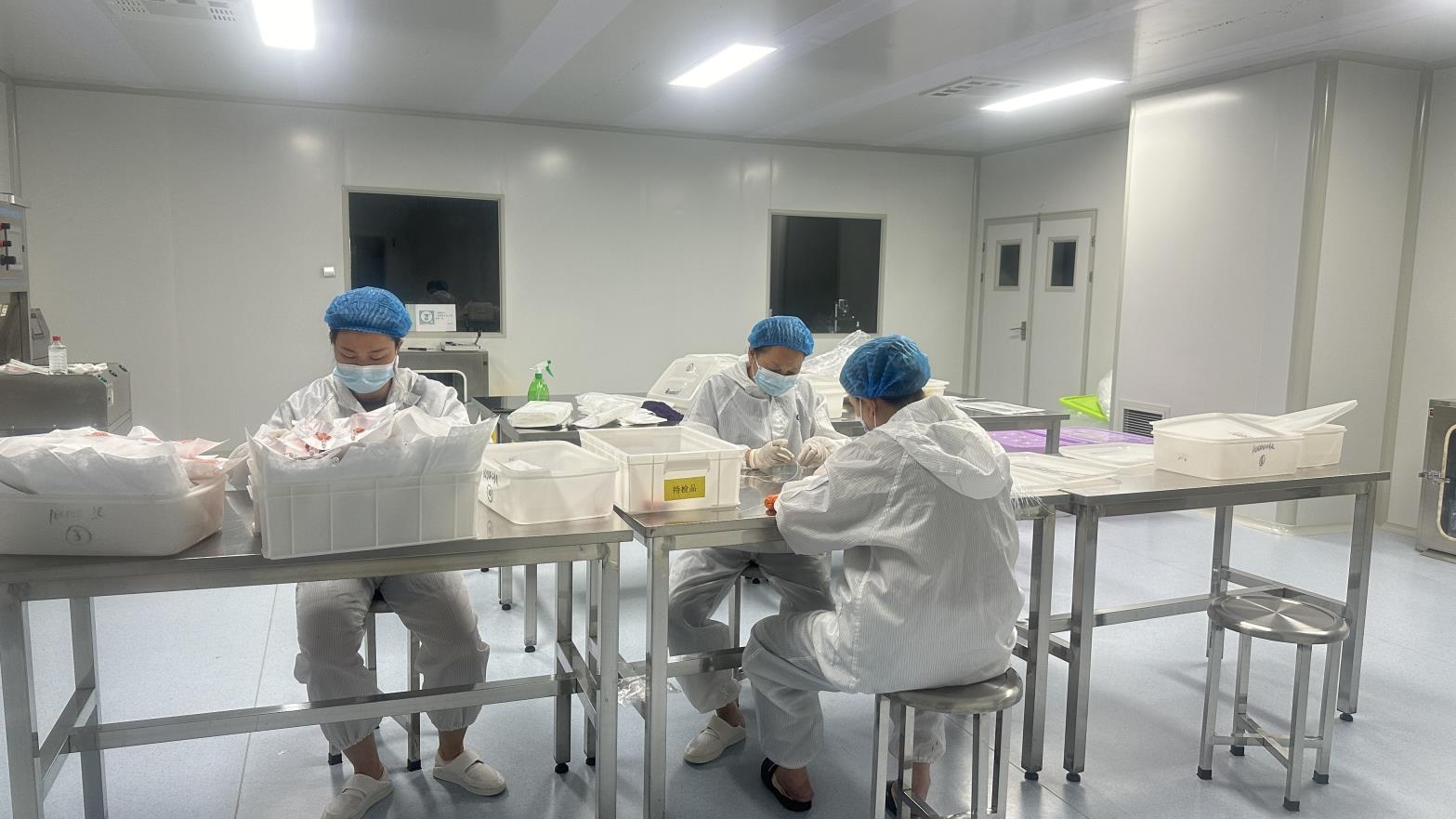
Inspection & Quality
When selecting a supplier for hip instrument sets, procurement officers must evaluate three core pillars: Regulatory Compliance, Supply Chain Resilience, and Ergonomic Design. Today’s surgeons demand instruments that are lighter, yet more durable. Suppliers who can demonstrate traceability through the entire manufacturing process—from raw material batch to final autoclave cycles—are winning the market.
The industry is trending toward "Minimally Invasive" designs. This means instrument sets are becoming more compact, reducing the "footprint" required on the sterile field. Furthermore, smart manufacturing (Industry 4.0) in Chinese factories allows for real-time tracking of manufacturing parameters, ensuring that every batch of instrument sets is consistent in hardness, corrosion resistance, and finish.
Q: What makes Chinese manufacturers competitive?
A: A combination of mature supply chains, lower overhead without sacrificing technology, and a massive scale of skilled engineering talent.
Q: Are these instruments compliant with international standards?
A: Top manufacturers, like Wigivida, adhere to rigorous ISO and GMP standards, ensuring compatibility with global clinical requirements.
Q: Can instruments be customized for specific surgical preferences?
A: Yes, many leading Chinese manufacturers offer OEM/ODM services, tailoring ergonomics and design to specific hospital surgical workflows.
 Wigivida Medical